Europe & UK
Fjords, Vikings, and the midnight sun
Scandinavia is a subregion in Northern Europe. Scandinavia normally refers to Denmark, Norway and Sweden, which are all located on the Scandinavian Peninsula. However, it can also include Finland, the Faroe Islands, the Åland Islands and Iceland, all of which come under the heading of Nordic countries.
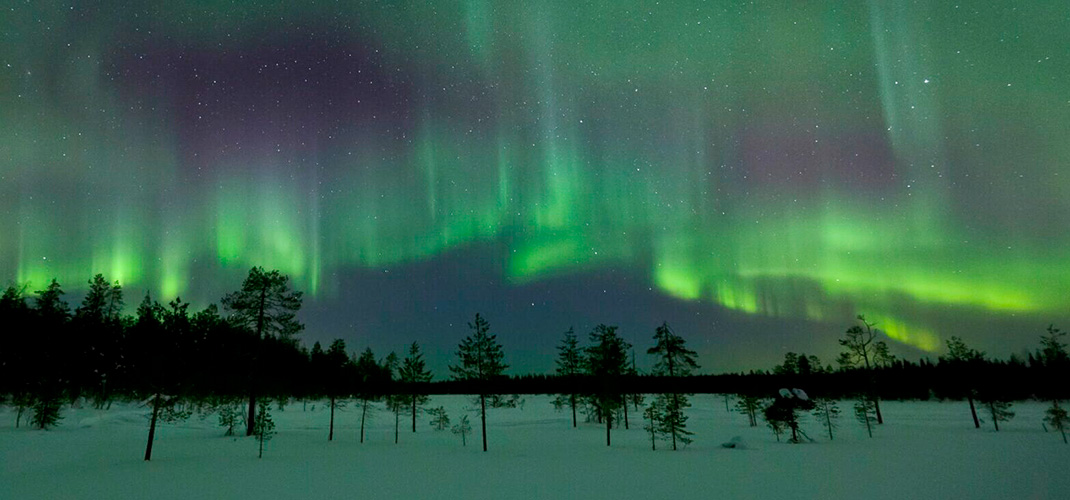
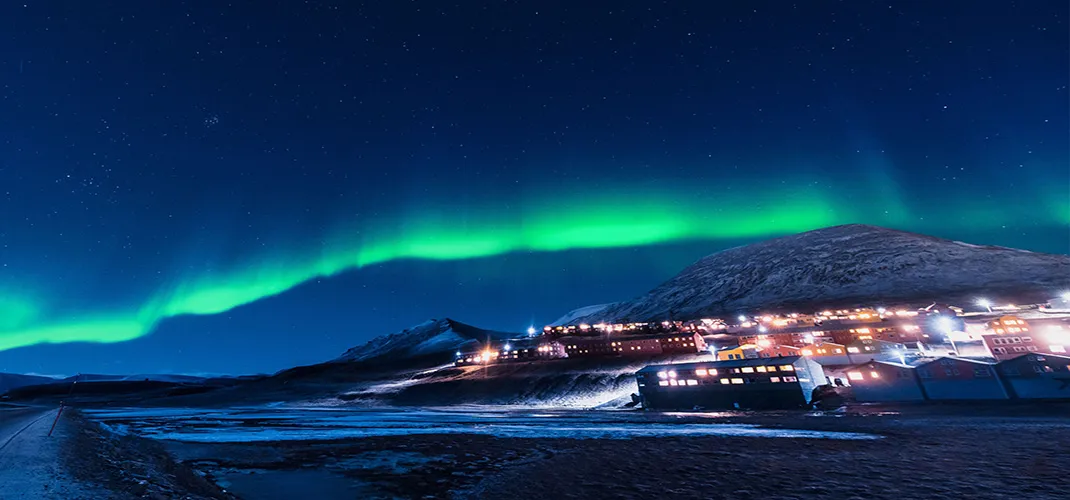
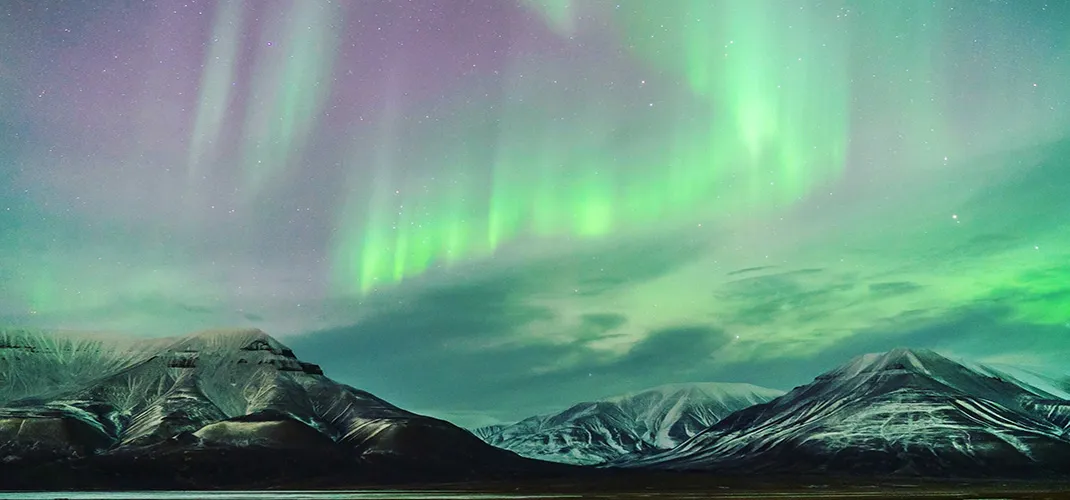
Scandinavia is known for lots of different things, but mainly its stunningly beautiful coastal scenery, glaciers, magical islands and landscapes, not forgetting the winter wonderlands where you can see the Aurora Borealis or the Midnight Sun. The region has many natural green spaces where you can hike, cycle, canoe, kayak and ski or snowboard. There is a plethora of water and snow sports available to enjoy.
Denmark is a country of flat lands and low-lying islands, made up of a peninsula of continental Europe called Jutland, as well as hundreds of islands. The most famous of them all is Zealand, which is home to the capital, Copenhagen. It is a country of castles, history, museums, great food and culture along its stunning coastlines. Copenhagen, the capital, is a world leader in sustainability and one of the happiest places to live. One of the most outstanding landscapes in the Danish countryside is Møns Klint, which stands on the edge of 6 km of chalk cliffs, 120 metres above sea level, making it a breathtaking sight to behold. Denmark also owns Greenland, the world’s largest island, although Greenland has its own devolved government. Whether you are looking for the fun of Legoland, the castles of Kronborg or Frederiksborg (to name but a few) or the Museum of Hans Christian Andersen, this small country has a lot packed into it and will not disappoint you.
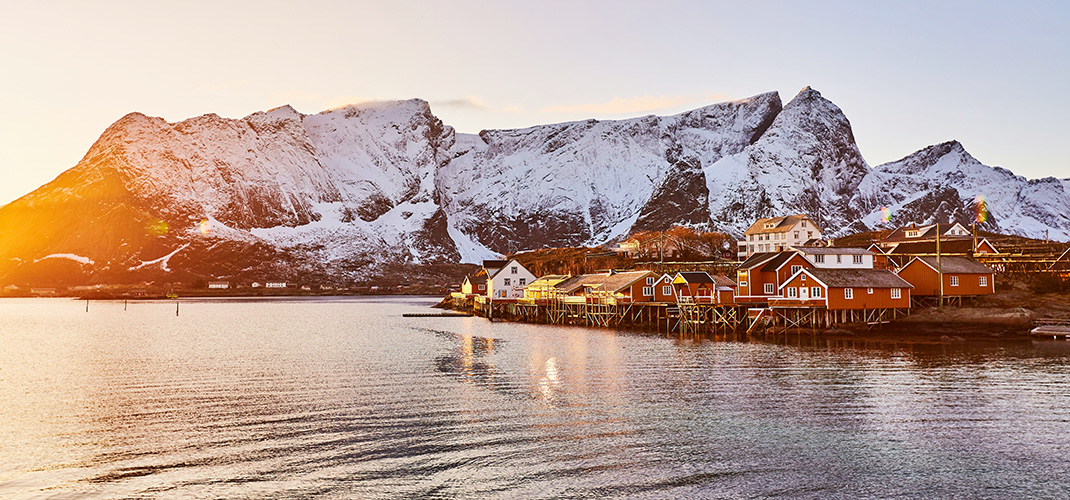
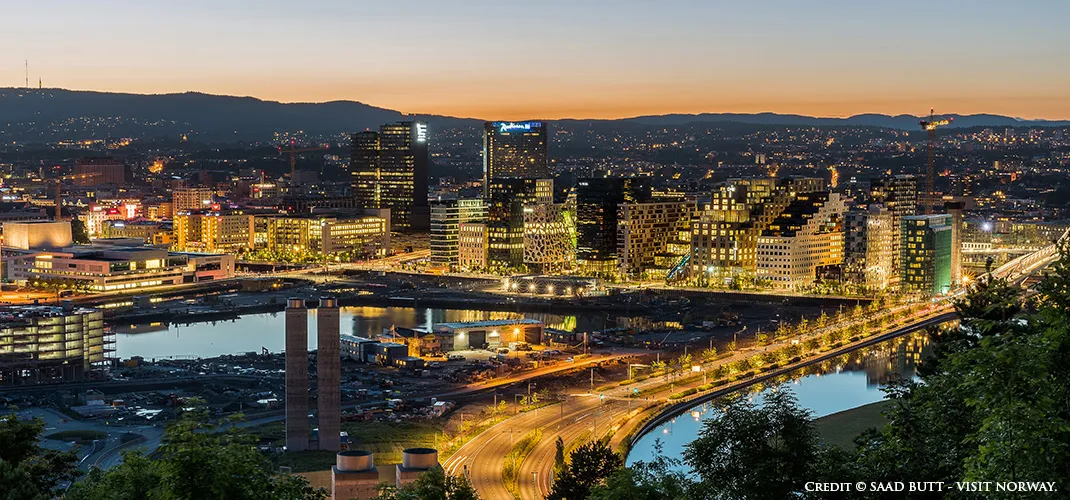
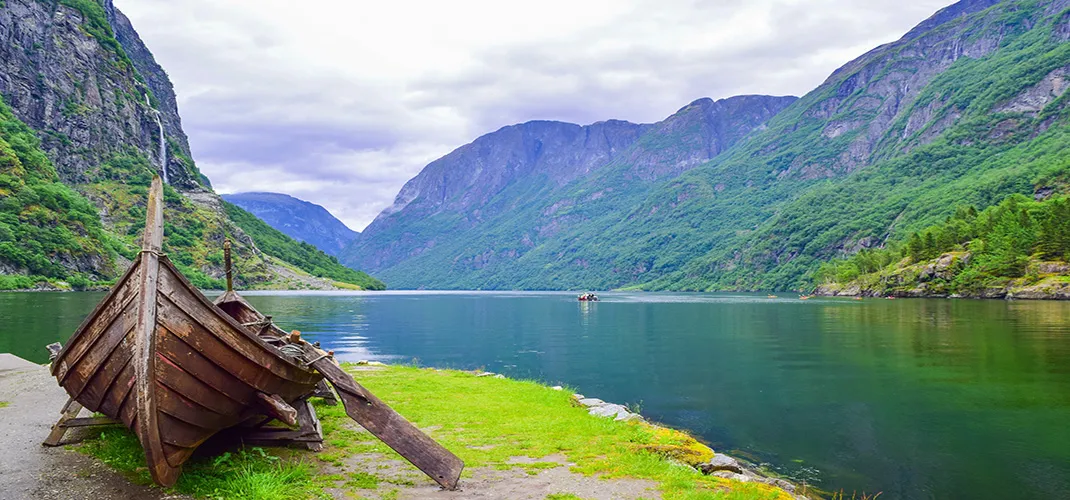
Norway is best known for its majestic fjords and mountains, as well as the imposing presence of the Lofoten Islands. There is something to satisfy every kind of visitor. The Northern Lights are a fantastic phenomenon, and one of the best places to see them is Norway. The best time to see the swaying lights is from late September to late March. For those of you who are nature lovers, there is a wide range of wildlife to enjoy in Norway, from polar bears in Svalbard to whales, bears, reindeer, moose and musk oxen. The main cities of Oslo, Bergen, Stavanger, Trondheim and Tromsø have their own special charm and are well worth visiting, with charming architecture, interesting museums and cultural venues. The fjords are everywhere in Norway; they were created when the ice from the last Ice Age cut through the tall mountains. It is impossible not to see one while visiting, and they are just waiting to be explored through hiking, kayaking or sailing.
Sweden is a country full of lakes and islands – many thousands of them – making it truly a nature lover’s paradise. The most famous are naturally the islands that lie in the Stockholm archipelago, which has more than 30,000 islands and islets close to the capital. There are so many reasons to visit Sweden, including some impressive mountains, bucolic forests and nearly 100,000 lakes. The midnight sun lights up the north with 24 hours of daylight during the summer months. The country is also making musical waves as a world leader in the field, giving the rest of us groups like ABBA, Ace of Base and Roxette, and of course the audio streaming service Spotify, which was founded by Daniel Ek in 2006.
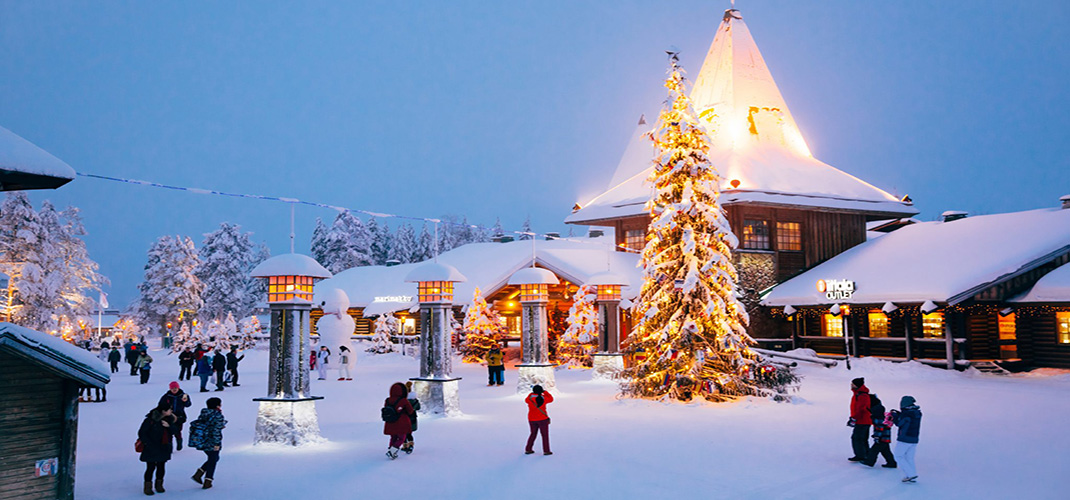
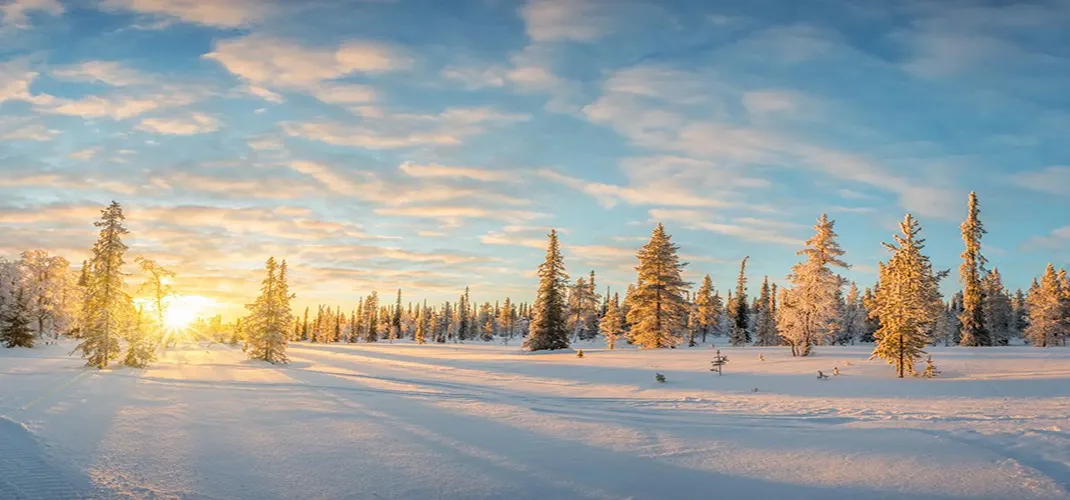
Finland is one of the world’s most northerly countries, giving visitors plenty of reasons to fall in love with it. They say that Finland is a hidden gem tucked away in the far north, and that the Finns themselves are in fact the happiest people in the world. The country is full of amazing contrasts: it has a severe climate, and two-thirds of it is blanketed by thick woodland, making it the most densely forested country in Europe. If you are looking for somewhere quite unique to stay, then Finland has it in spades with its glass igloos, aurora domes, snow castles, tree tents and fishing cabins. It is also home to Santa Claus in Rovaniemi and is another great area for visitors seeking to see the Aurora Borealis. Finland has many Arctic adventures and secrets awaiting your arrival.
June–August (summer), December–March (Northern Lights)
Start Planning Today
Our European travel specialists are ready to design the perfect itinerary for you: whether it's your first time or your fifteenth.
Mon–Fri 09:00am–17:00pm AEST · No obligation · Free expert advice

Copenhagen, Oslo
Rovaniemi
Rovaniemi

Tromsø, Sommarøy
Svalbard
Tromsø, Narvik, Svolvær, Lofoten, Harstad, Tromsø
Saariselkä, Haparanda, Kemi, Rovaniemi
Svalbard
Svalbard
Svalbard

Oslo, Flåm, Bergen
Bergen, Flåm, Oslo
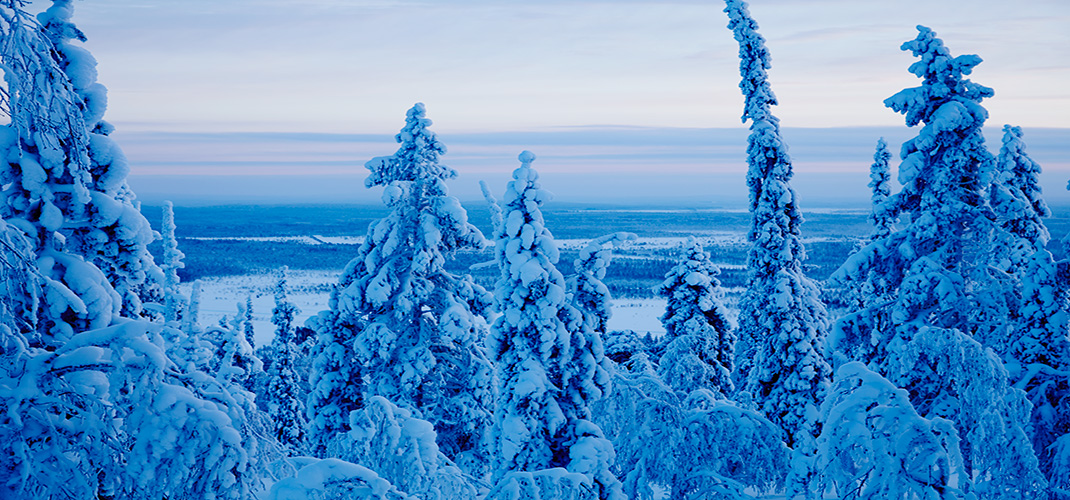
Tromsø, Alta, Saariselkä
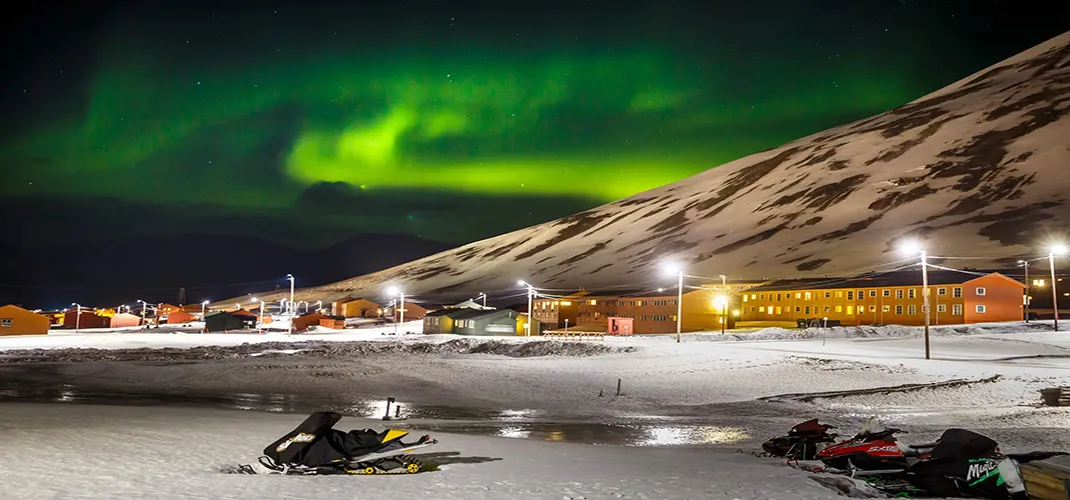
Svalbard
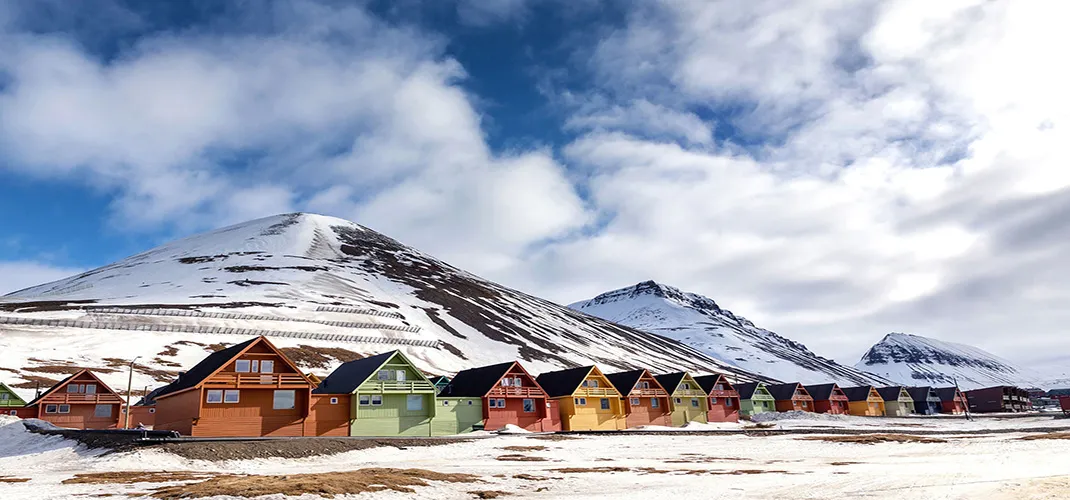
Svalbard
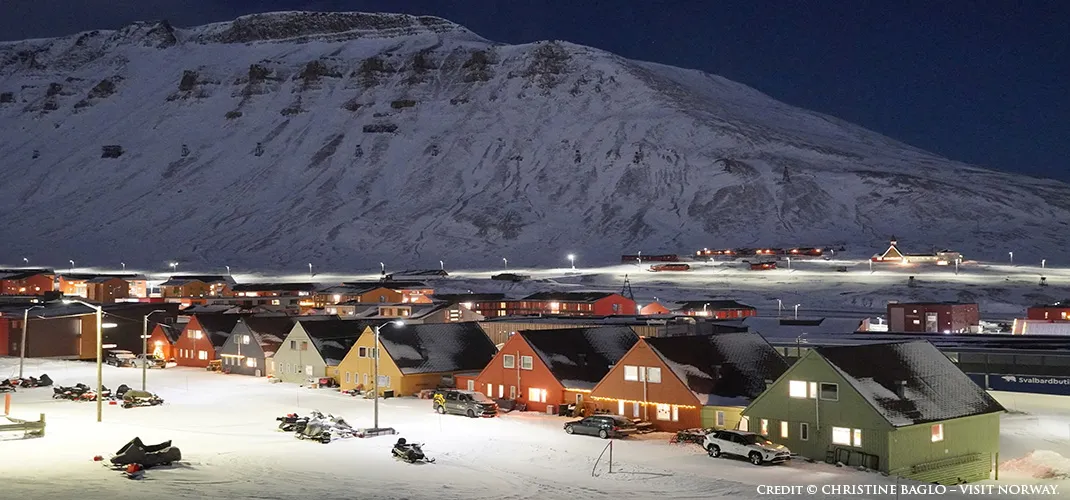
Svalbard
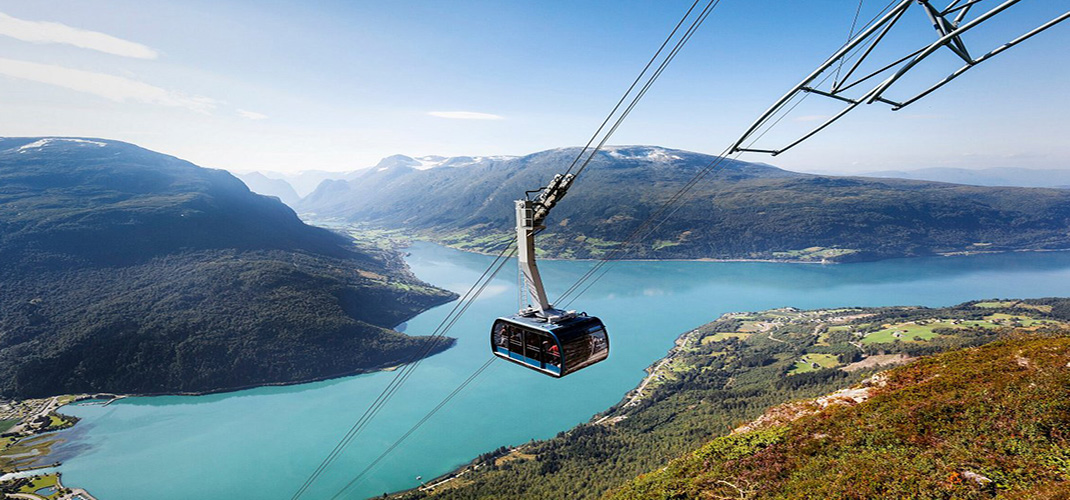
Oslo, Flåm, Sognefjord, Voss, Bergen, Sognefjord, Briksdall Glacier, Loen, Geiranger Fjord, Troll's Road, Molde, Atlantic Road, Oppdal, Otta Region, Oslo
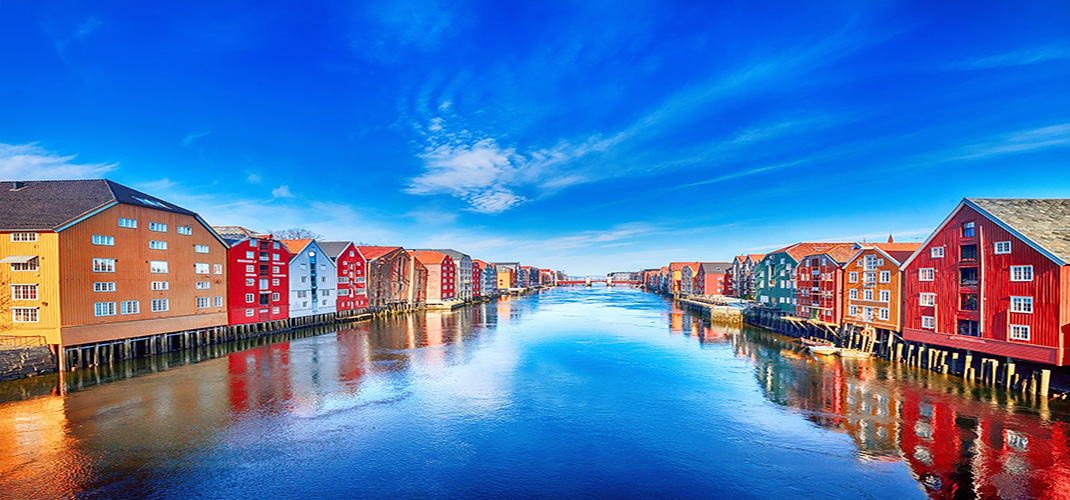
Oslo, Trondheim, Bergen, Harnager, Voss, Flåm, Gudvangen, Gol, Oslo

Riga, Tallinn, Helsinki, Lappeenranta, Helsinki
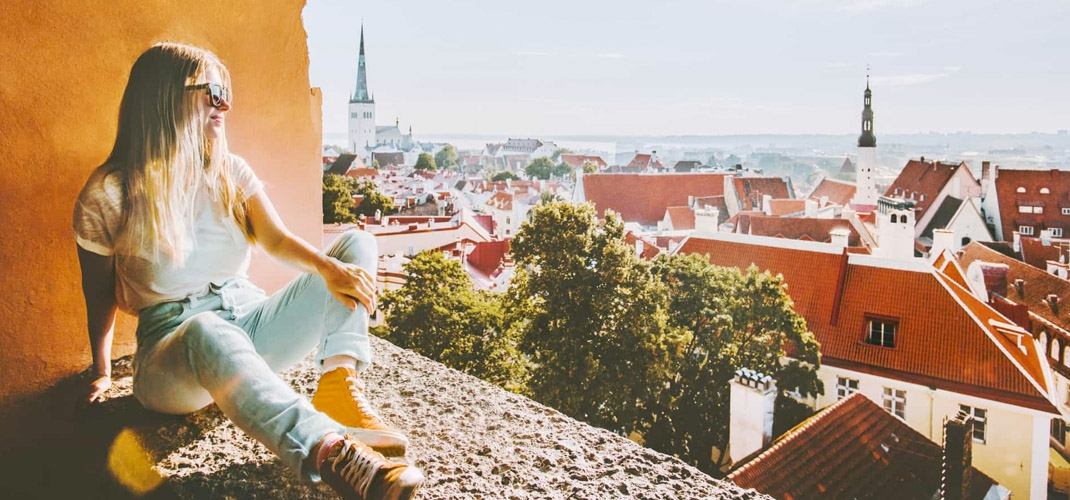
Vilnius, Riga, Tallinn, Helsinki
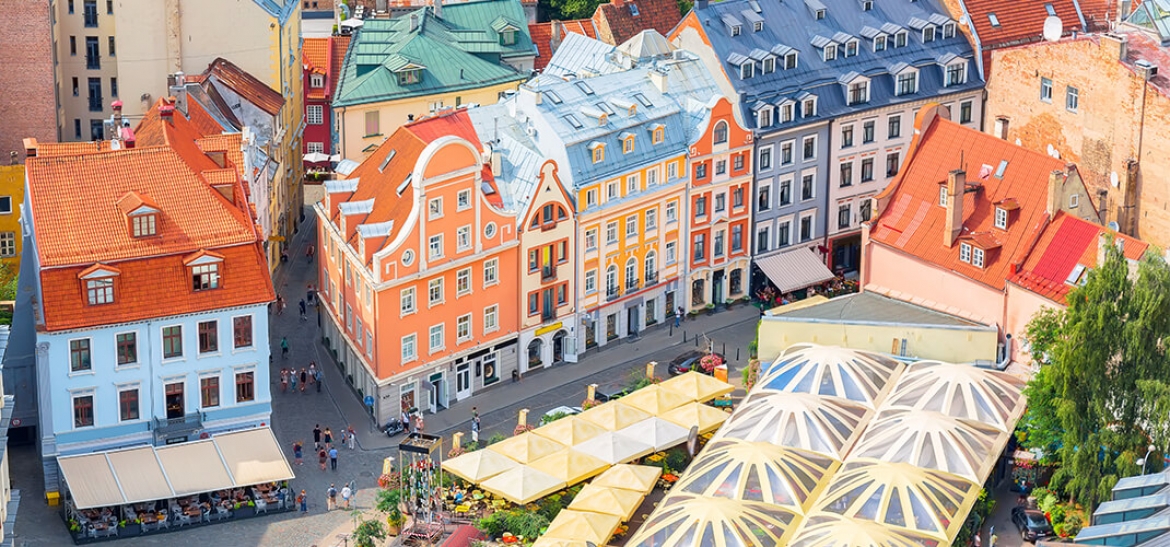
Riga, Tallinn, Helsinki, Stockholm
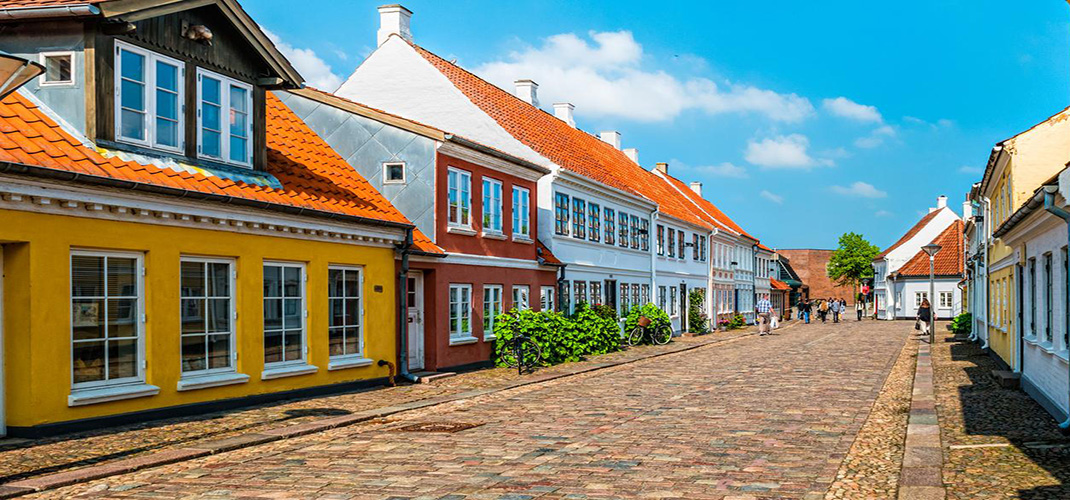
Copenhagen, Odense, Aarhus, Hirtshals, Bergen, Gudvangen, Flåm, Borgund, Oslo, Karlstad, Örebro, Stockholm

Oslo, Flåm, Sognefjord, Voss, Bergen, Sognefjord, Briksdall Glacier, Loen, Geiranger Fjord, Troll's Road, Molde, Atlantic Road, Oppdal, Lillehammer, Oslo, Stockholm

Copenhagen, Aarhus, Stavanger, Bergen, Balestrand, Flåm, Oslo, Karlstad, Stockholm

Tromsø, Alta, Kautokeino, Saariselkä, Haparanda, Rovaniemi
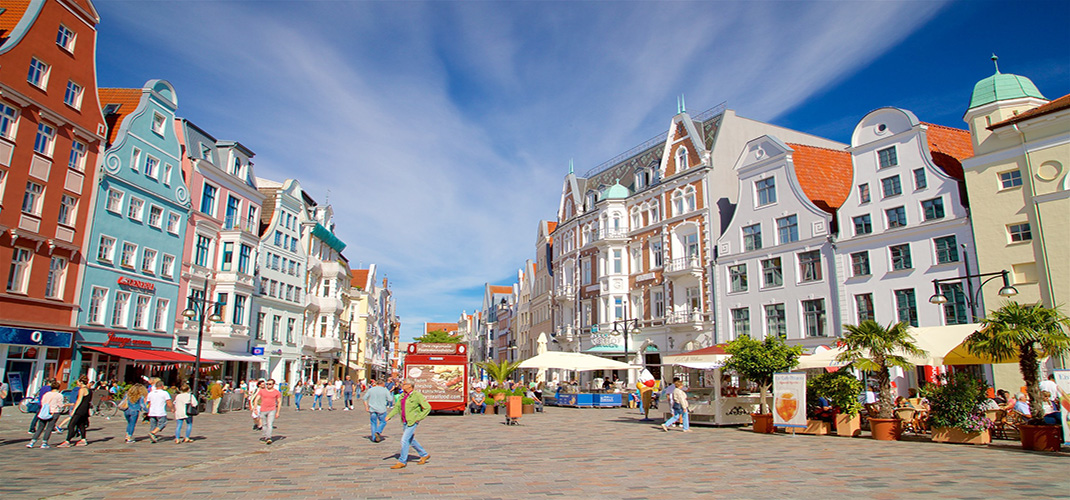
Berlin, Oranienburg, Zehdenick, Fürstenberg, Neustrelitz, Waren, Müritz, Güstrow, Rostock, Nykøbing, Falster, Stege, Køge, Copenhagen
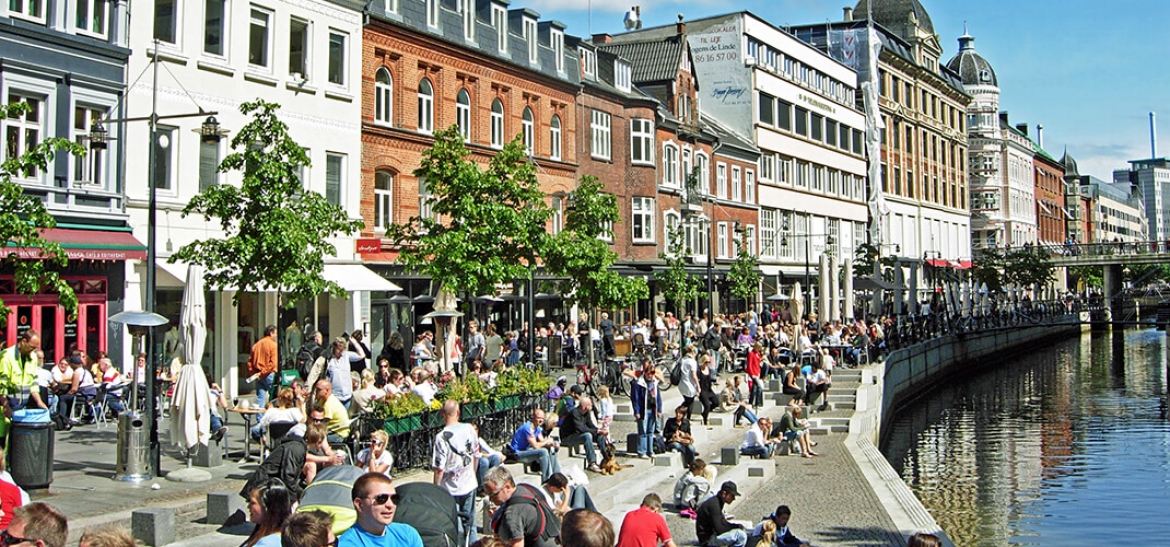
Copenhagen, Aarhus, Stavanger, Bergen, Balestrand, Flåm, Oslo, Karlstad, Stockholm, Helsinki, Tallinn, Riga, Vilnius