Mediterranean
Flamenco, Gaudí, and the passion of Iberia
Situated on the Iberian Peninsula, Spain has some amazing World Heritage Sites, delicious food and stunning landscapes. It boasts approximately 8,000 kilometres of coastline, with turquoise water, fine-sand beaches and countless hours of sunshine each year. The capital, Madrid, is home to the Royal Palace and the Prado Museum, amongst other attractions. Catalonia’s capital, Barcelona, is defined by Antoni Gaudí’s whimsical modernist landmarks, like La Sagrada Família and Park Güell. Centuries of mixed cultures have left their captivating mark on Spain, with some of the most amazing artistic heritage in the world.
Spanish cuisine is world-famous for its flavours and its healthy, traditional dishes. Rioja produces the most famous Spanish wine, but you will discover other options throughout your journey. Going out for tapas is probably Spain’s most famous gastronomic and social tradition, and it is thought to have started in Seville. The most famous Spanish dish is undoubtedly paella, of which there are many varieties. However, the people of Valencia (the famous paella city) will tell you that the two ‘true’ paellas are paella Valenciana, made with chicken and rabbit, and paella marinera, made with seafood.
The Basque city of Bilbao is home to the famous Guggenheim Museum, with its stunning structure of 20th Century architecture. The museum houses some of the world’s most important private collections of modern and contemporary art. San Sebastian is a Basque resort town on the Bay of Biscay. It is known for Playa de la Concha and Playa de Ondarreta, beaches framed by picturesque promenades, as well as its cobblestoned Old Town (Parte Vieja), upscale shops and vibrant pintxo bars.
For centuries, thousands of pilgrims have travelled along St. James’ Way, finally reaching the Galician capital and entering the iconic Cathedral in Santiago de Compostela, the burial place of the relics of James the Apostle, discovered in the 9th Century. Other sights include the Plaza del Obradoiro, the Raxoi Palace and the imposing Monastery of San Martiño Pinario.
Valencia is a city of contrasts, with its old town charm and futuristic buildings. The most fascinating attractions include the Plaza de la Reina with the cathedral, the Miguelete Tower and the more modern City of Arts and Sciences. Then there are the large beaches where eating paella by the sea is a national pastime.
Córdoba’s famous Old Town is a World Heritage Site, with little streets to be explored, courtyards full of flowers, inviting squares and lively taverns where you can enjoy a good flamenco performance or try the local cuisine. The Great Mosque, the Alcázar de los Reyes Cristianos, the Synagogue and the Roman Bridge are prime examples of Córdoba’s Old Quarter. The city reflects its Roman past and the coexistence of Christian, Islamic and Jewish cultures throughout its history. At the foot of the Sierra Nevada mountains lies Granada, with its unmistakably Moorish flavour, fountains, lookouts and cármenes (houses) surrounded by characteristic gardens. The historic district of Albaicín is a World Heritage Site together with the Alhambra and Generalife.
Malaga is a combination of sea and culture, with a lively atmosphere and 16 sunny beaches. The birthplace of Pablo Picasso, it has a plethora of tapas bars to discover in the Soho area. The city also has great historical significance, with sights including the Alcazaba, one of the largest Moorish fortresses in Andalusia; Gibralfaro Castle; La Manquita, the cathedral; and the Picasso Museum and the house where he was born.
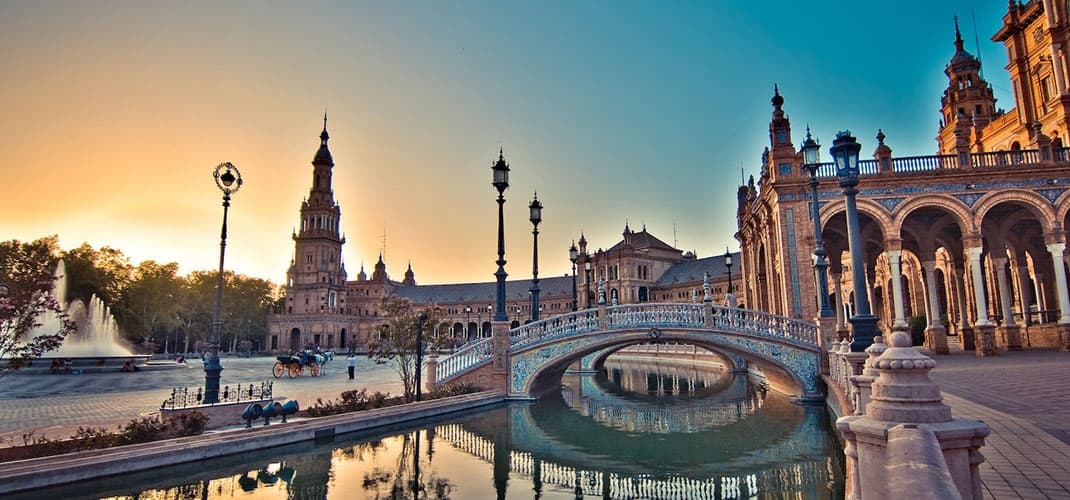
Sevilla is one of those special cities you just have to visit. This might be due to its grandiose monuments, like the Giralda Tower, the cathedral and the Real Alcázar of Seville. Or perhaps it is the beautiful sights around Seville: its courtyards of orange trees, the scent of jasmine in its squares, Spanish guitar music ringing through its streets, or the charming area of Triana with its tapas of marinated ‘pescaíto’ (fish), small filled rolls, typical snails, fino (white wine), manzanilla (sweet wine) or a cold beer. Whatever brings you to Sevilla, this city will not disappoint.
The Balearic Islands of Menorca, Formentera, Majorca and Ibiza are flush with enchanting coves, gorgeous sunsets and lush natural landscapes. There are so many ways to enjoy the islands, including relaxing, partying, wandering through the streets of the small fishing villages or even enjoying a range of water sports. The Canary Islands are known for their natural attractions, with five of the seven islands having been declared Biosphere Reserves. The archipelago has four national parks and outstanding beaches that are perfect for relaxing in the sun or enjoying windsurfing and scuba diving.
March–May and September–November
Start Planning Today
Our European travel specialists are ready to design the perfect itinerary for you: whether it's your first time or your fifteenth.
Mon–Fri 09:00am–17:00pm AEST · No obligation · Free expert advice
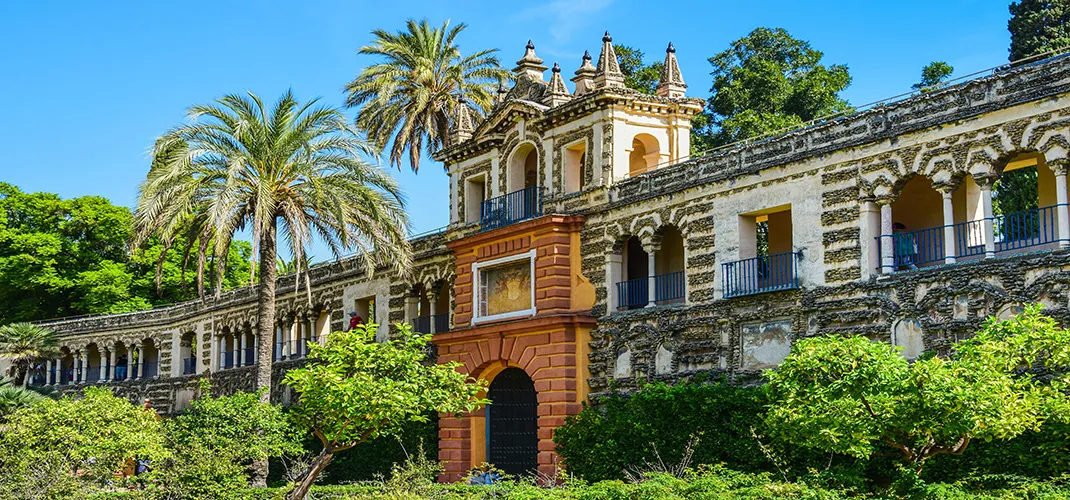
Madrid, Córdoba, Seville, Granada, Madrid

Costa del Sol, Tarifa, Tangier, Meknes, Fès, Rabat, Casablanca, Marrakech, Casablanca, Tangier, Tarifa, Costa del Sol
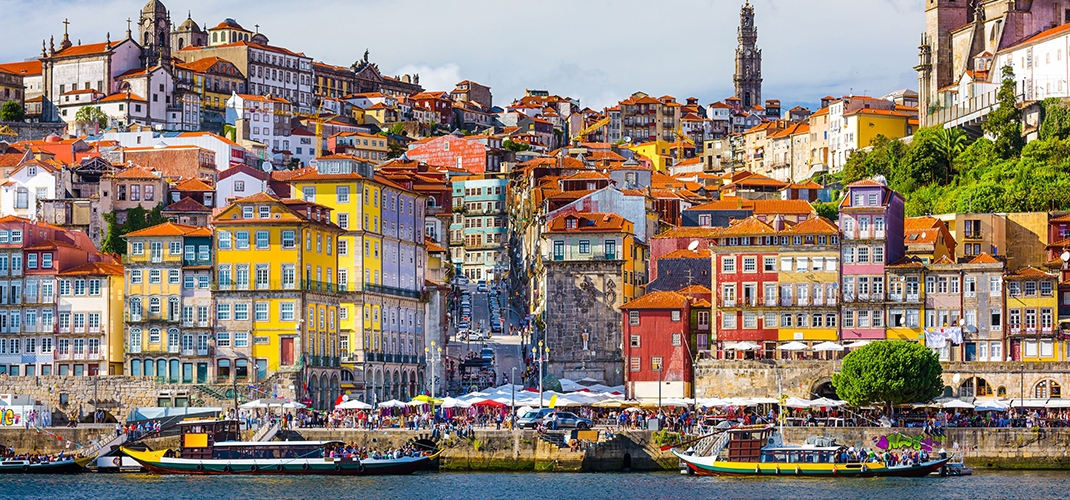
Madrid, Salamanca, Porto, Coimbra, Fátima, Batalha, Nazaré, Alcobaça, Lisbon, Merida, Madrid
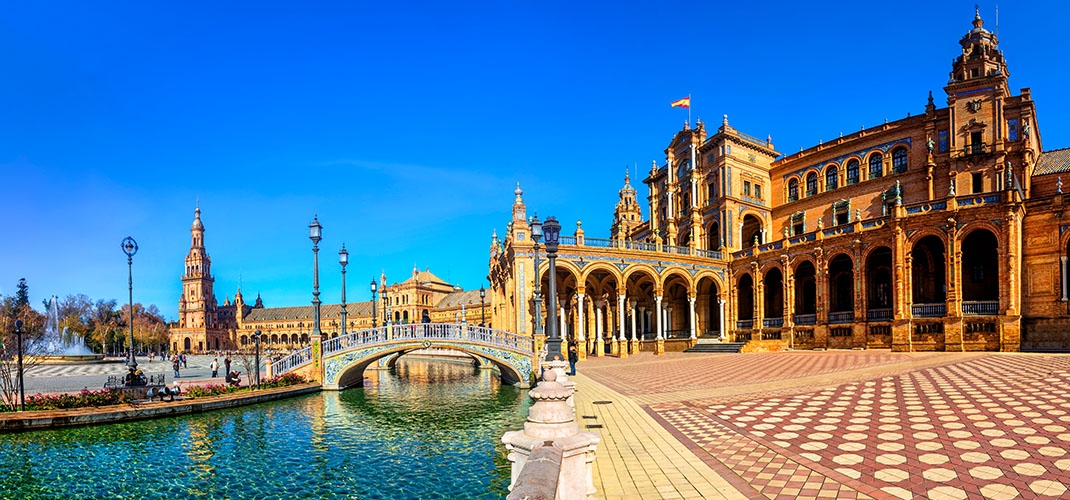
Madrid, Merida, Córdoba, Seville, Ronda, Costa del Sol, Granada, Madrid
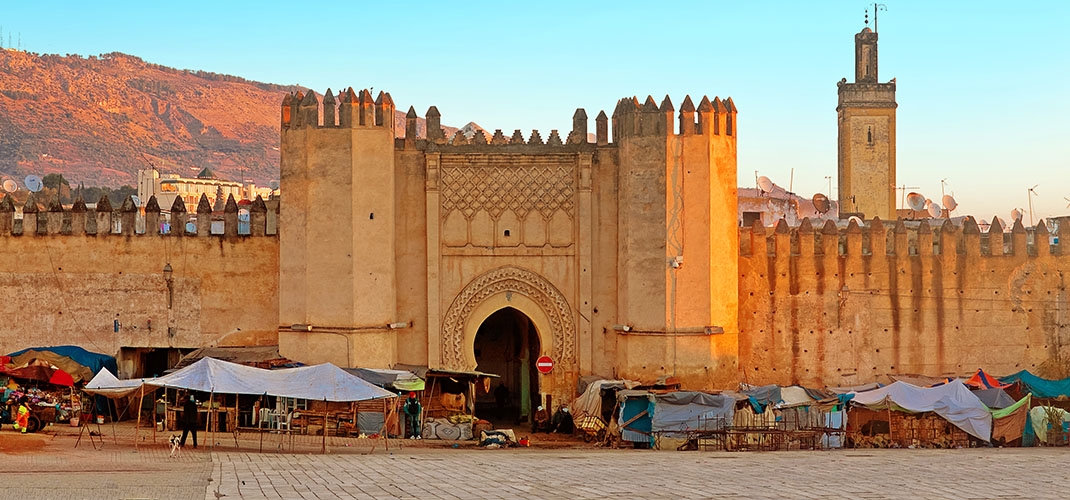
Costa del Sol, Fès, Rabat, Marrakech, Casablanca, Tangier, Costa del Sol
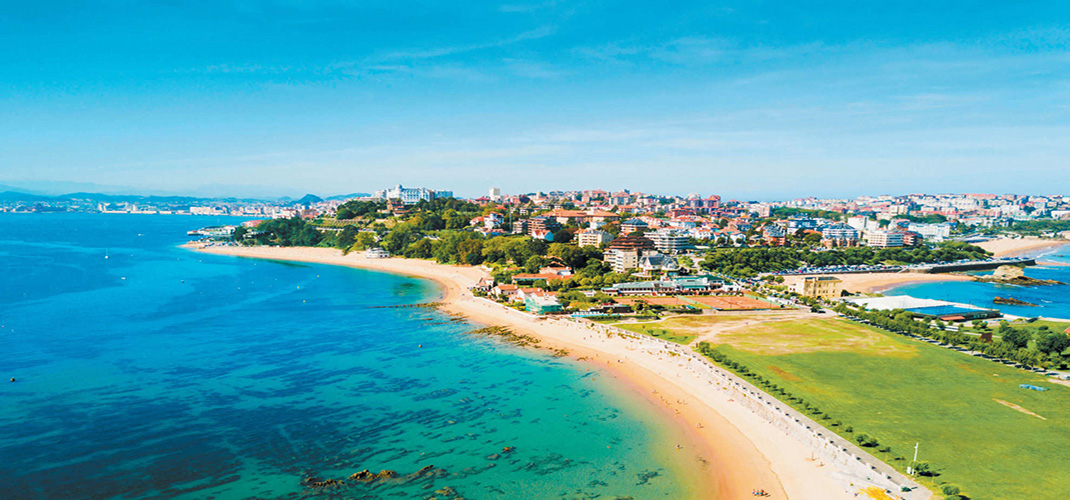
Madrid, Zaragoza, San Sebastián, Bilbao, Castro Urdiales, Santander, Santillana del Mar, Covadonga, Oviedo, Mondoñedo, Lugo, Santiago de Compostela, Salamanca, Madrid
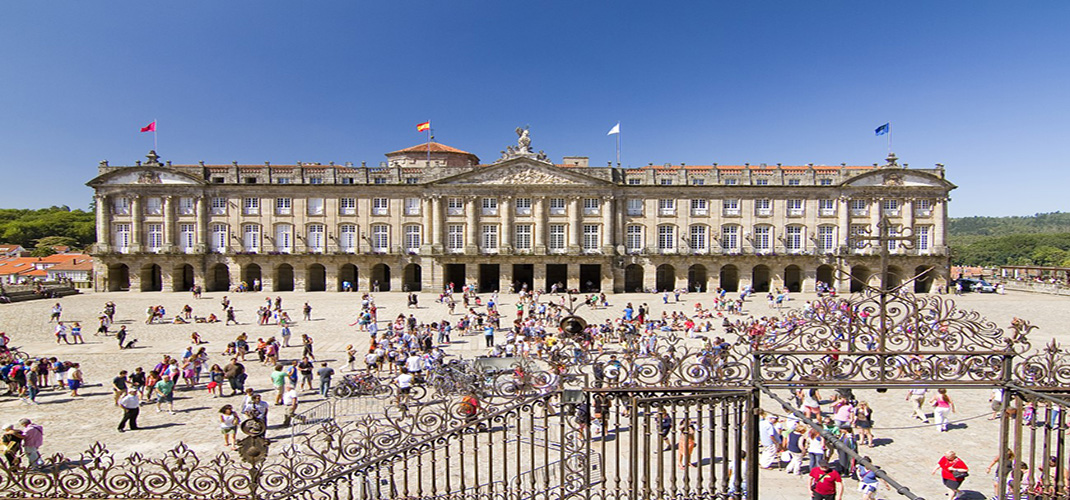
Sarria, Portomarin, Rio Minho, Palas de Rei, Boente, Arzúa, Rua, Amenal, Mount Joy, Plaza del Obradoiro, Santiago de Compostela
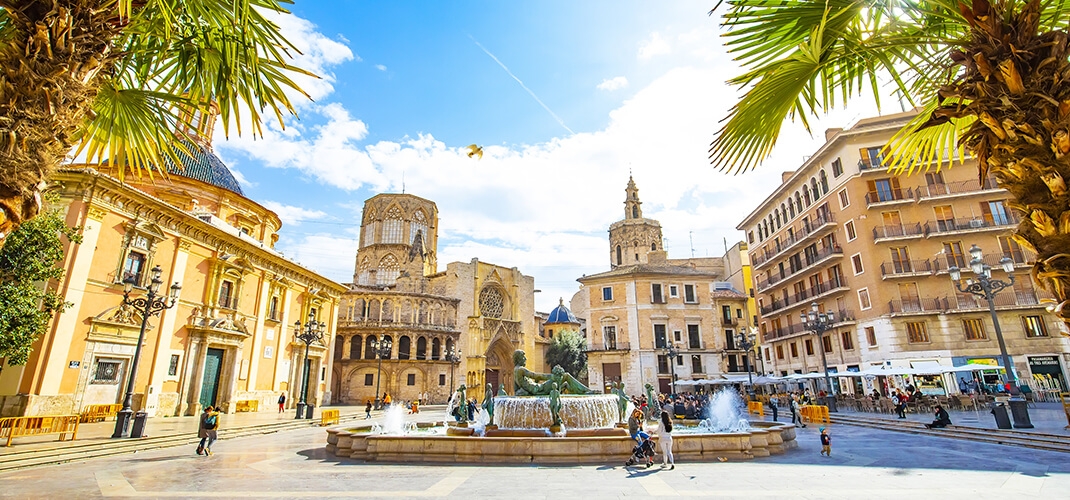
Madrid, Segovia, San Sebastián, Pamplona, Zaragoza, Alquézar, Barcelona, Peñíscola, Valencia, Madrid
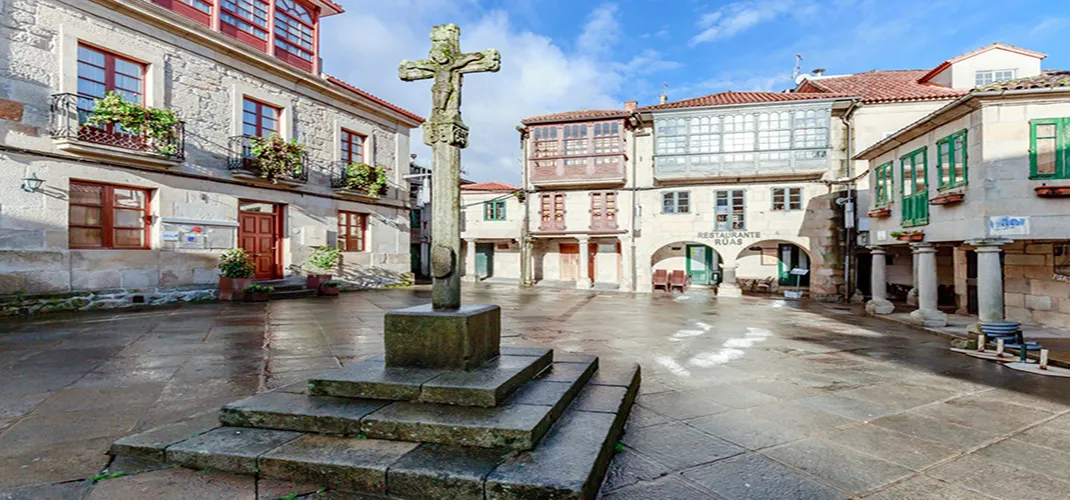
Santiago de Compostela, Rías Baixas, Santiago de Compostela, Pontevedra, Santiago de Compostela, Lugo, Santiago de Compostela, A Coruña, Santiago de Compostela
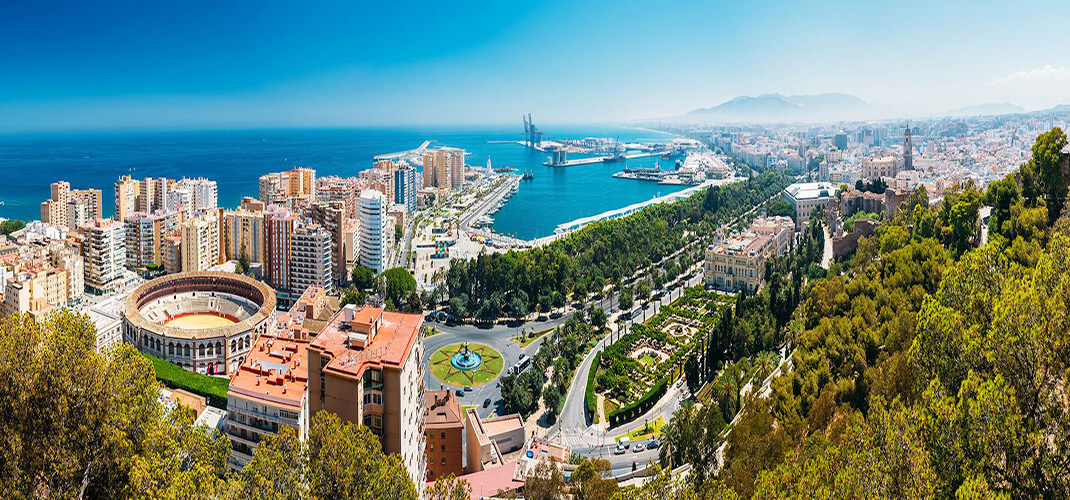
Málaga, Caminito del Rey, Málaga, Granada, Málaga, Seville, Córdoba, Seville
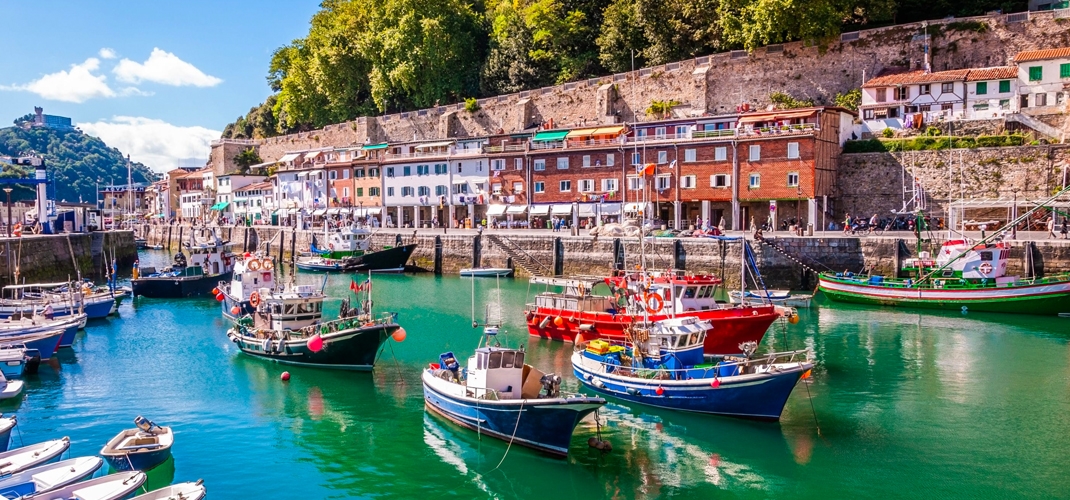
Bilbao, San Sebastián, Bilbao, Biarritz, Saint-Jean-de-Luz, Bilbao, San Juan de Gaztelugatxe, Bilbao, Vitoria-Gasteiz, Bilbao
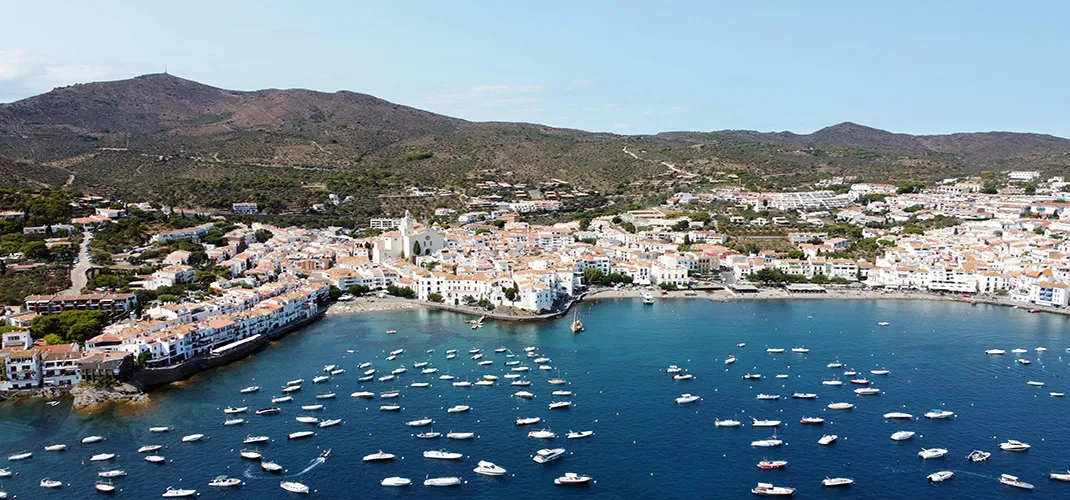
Girona, L'Escala, Empúries, Bay of Roses, Sant Pere Pescador, Aiguamolls de l'Empordà, Castelló d'Empúries, Cadaqués, El Port de la Selva, Sant Pere de Rodes, Palau-saverdera, Girona
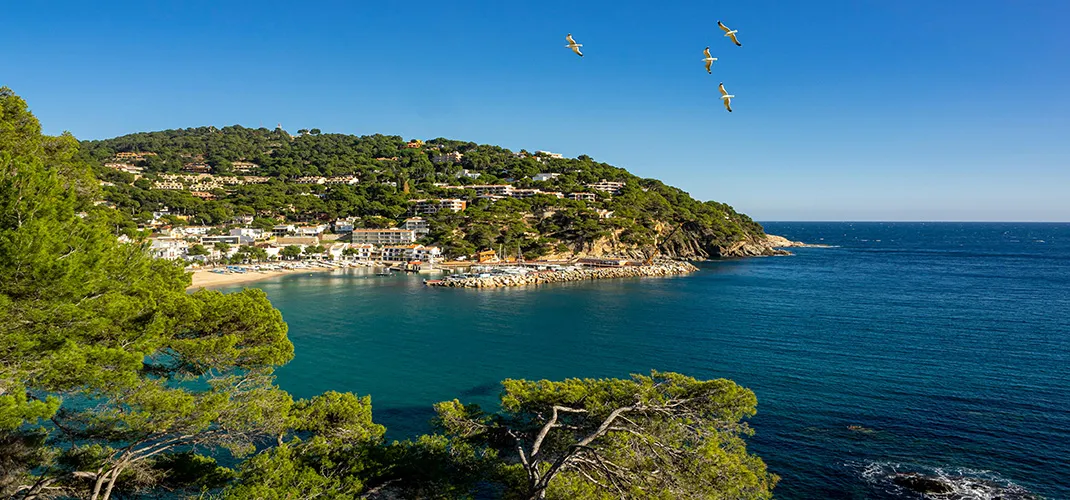
Girona, Begur, Llafranc, Calella de Palafrugell, Cala de la Fosca, Palamós, S’Agaró
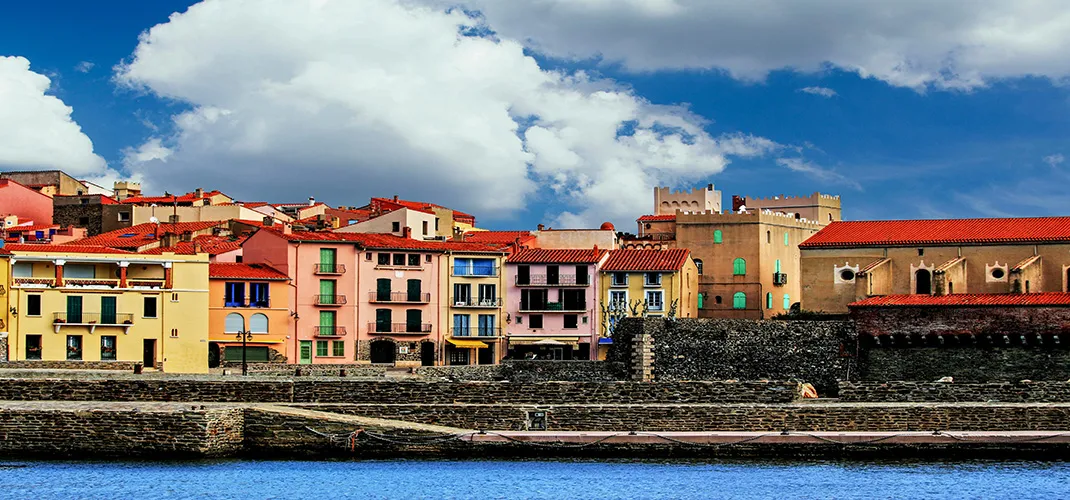
Girona, Cadaqués, Cap de Creus, El Port de la Selva, Llançà, Portbou, Banyuls-sur-Mer, Collioure
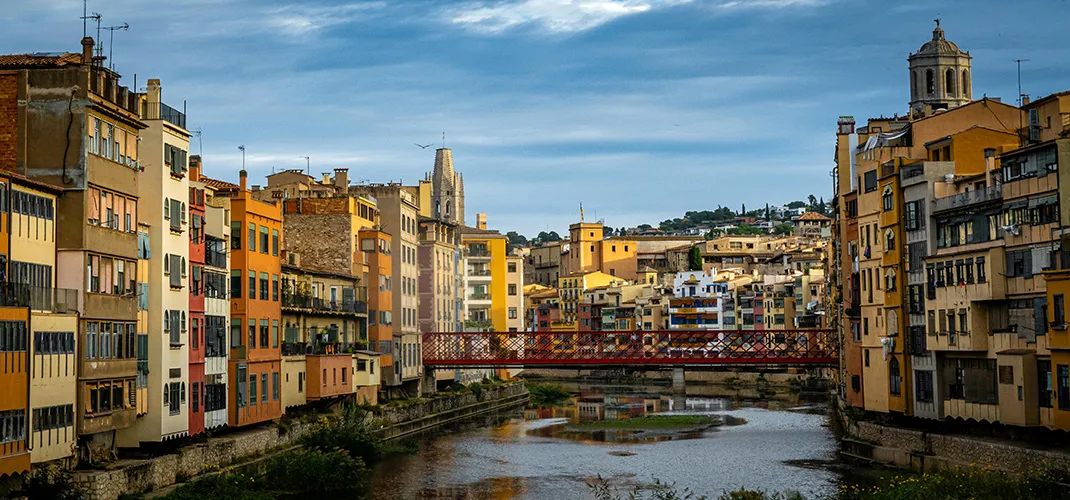
Girona, Palau-saverdera, Alt Empordà, Roses, Peralada, Castelló d'Empúries, Aiguamolls de l'Empordà, Sant Pere Pescador, Sant Martí d’Empúries, Girona
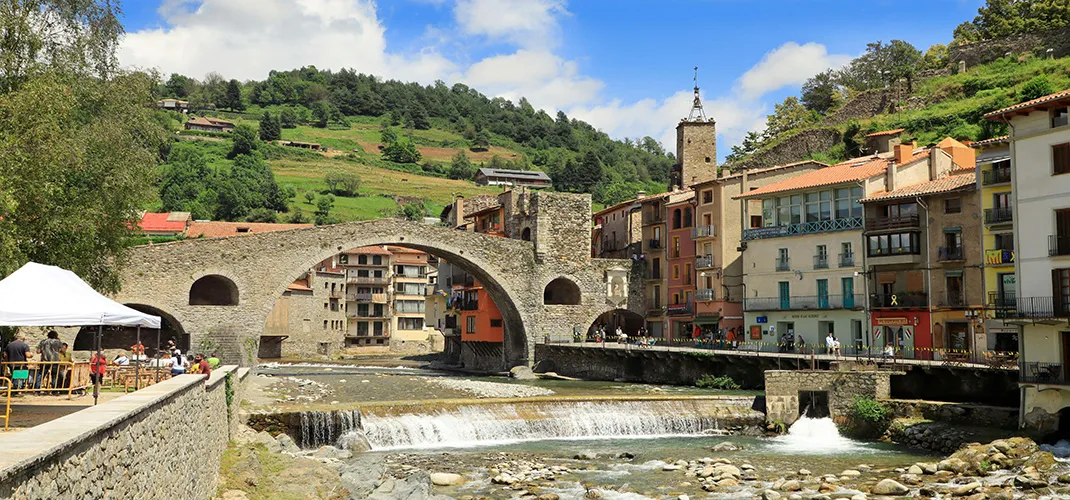
Ripoll, Camprodon, Molló, Setcases, Camprodon, Ribes de Freser
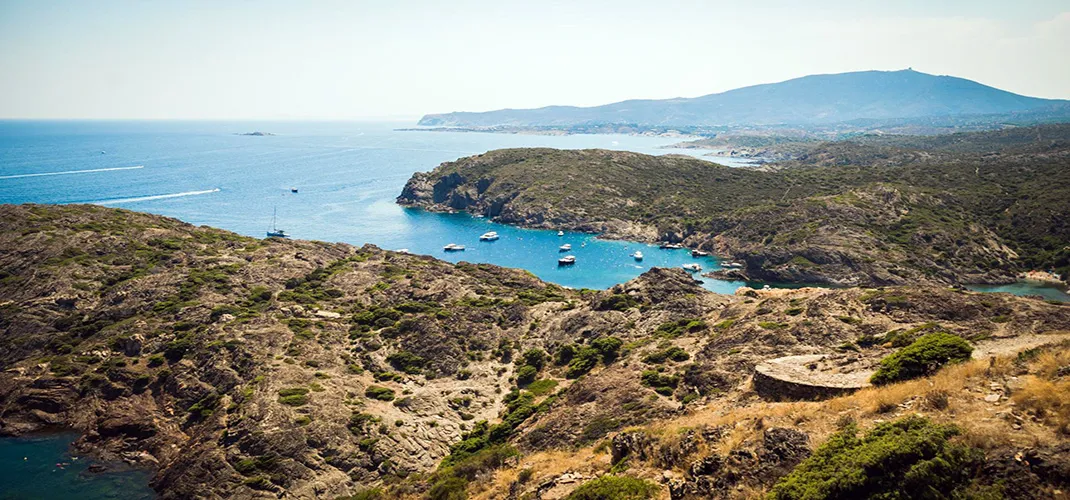
Barcelona, L'Escala, Sant Pere Pescador, Aiguamolls National Park, Castelló d'Empúries, Cadaqués, Cap de Creus National Park, El Port de la Selva, Sant Pere de Rodes, Barcelona
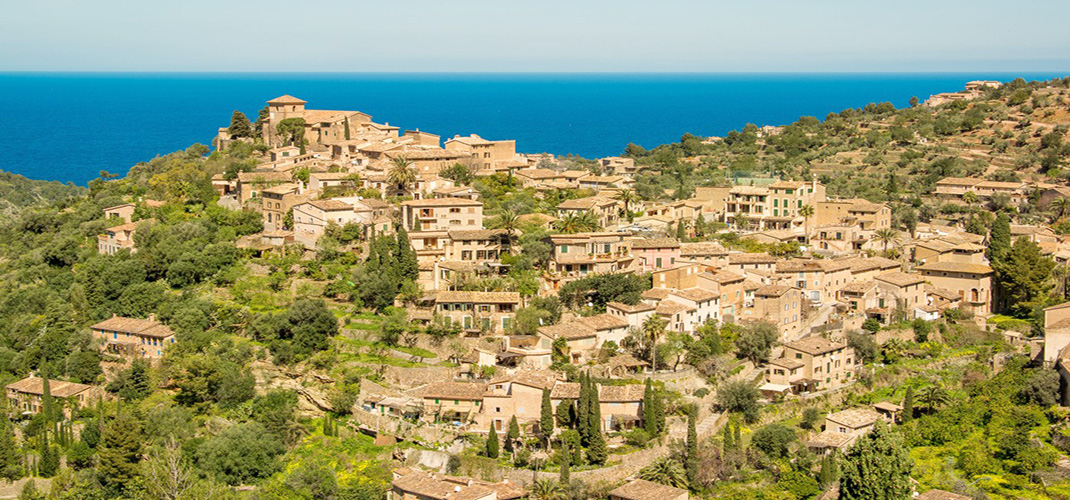
Valldemossa, Deià, Port de Sóller, Cala Tuent, Port de Sóller, Torre Picada, Lake Cúber, Lluc, Pollença
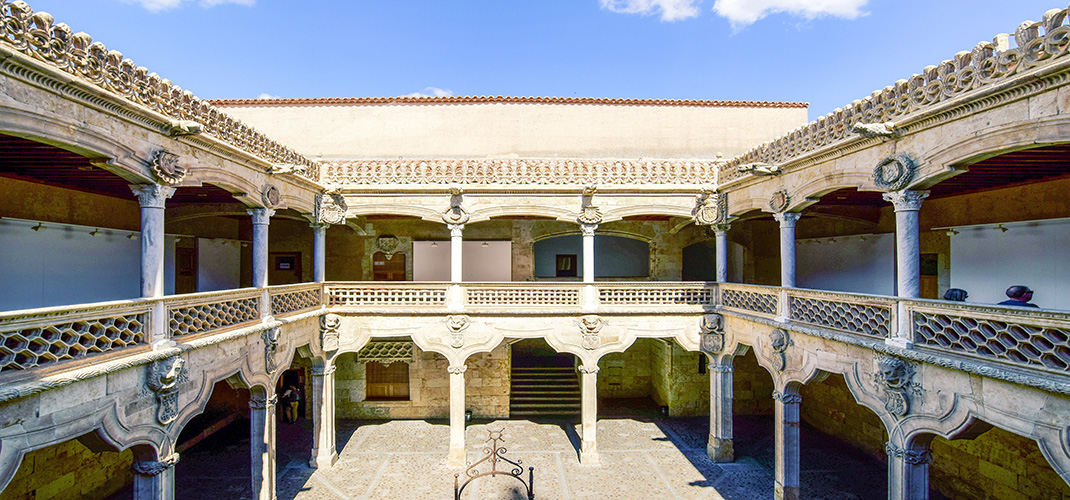
Madrid, Salamanca, Porto, Coimbra, Fátima, Batalha, Nazaré, Alcobaça, Lisbon, Merida, Madrid
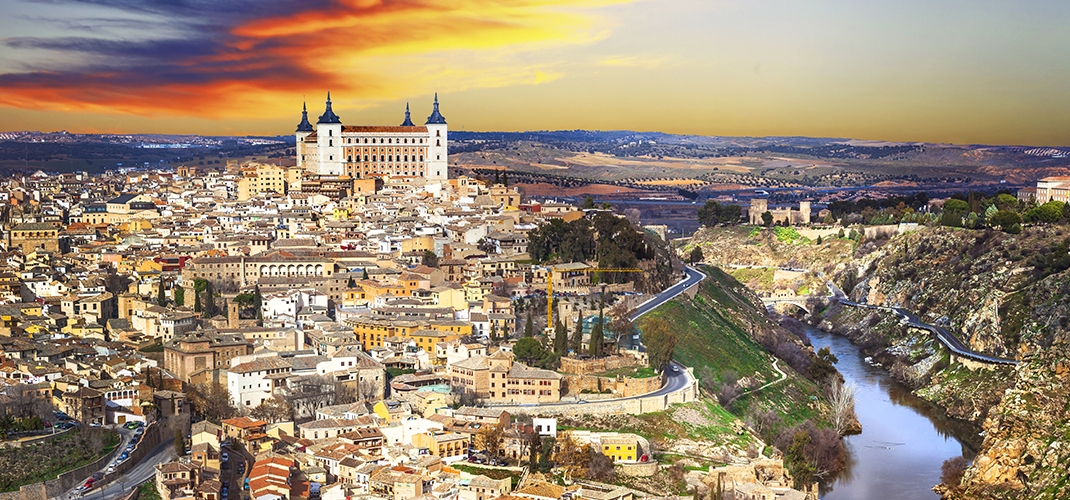
Madrid, Toledo, Madrid, Mérida, Córdoba, Seville, Ronda, Costa del Sol, Granada, Madrid
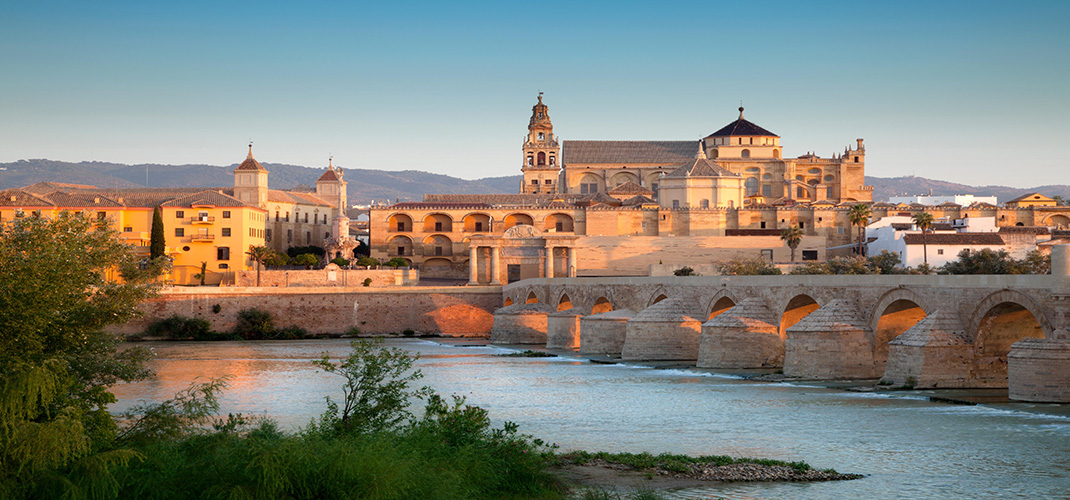
Barcelona, Zaragoza, Madrid, Córdoba, Seville, Granada, Valencia, Barcelona
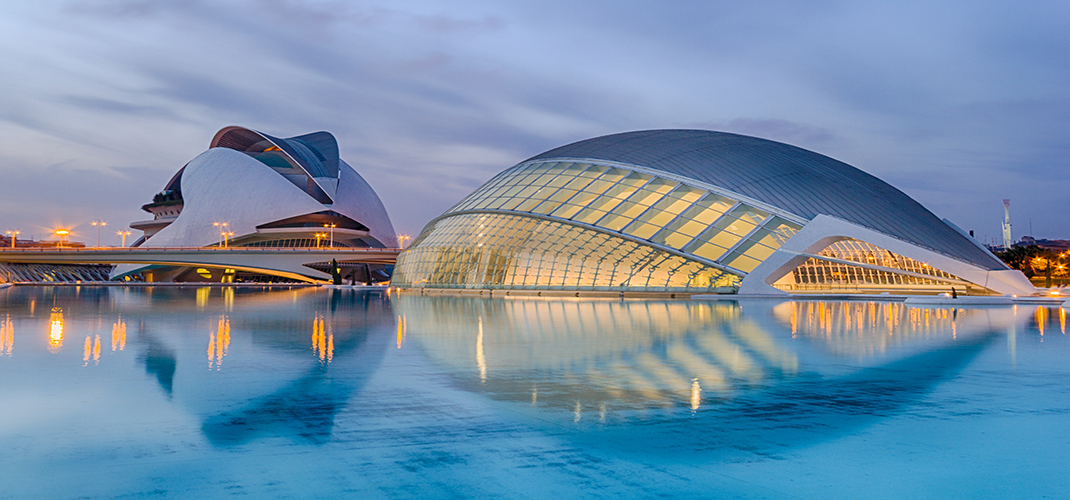
Madrid, Córdoba, Seville, Granada, Valencia, Barcelona
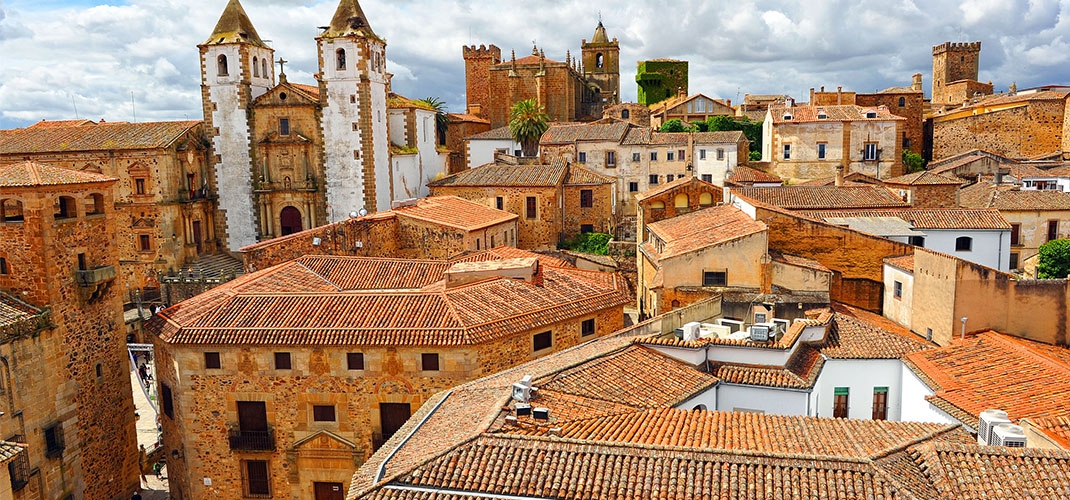
Madrid, Salamanca, Porto, Aveiro, Coimbra, Batalha, Nazaré, Lisbon, Mérida, Madrid
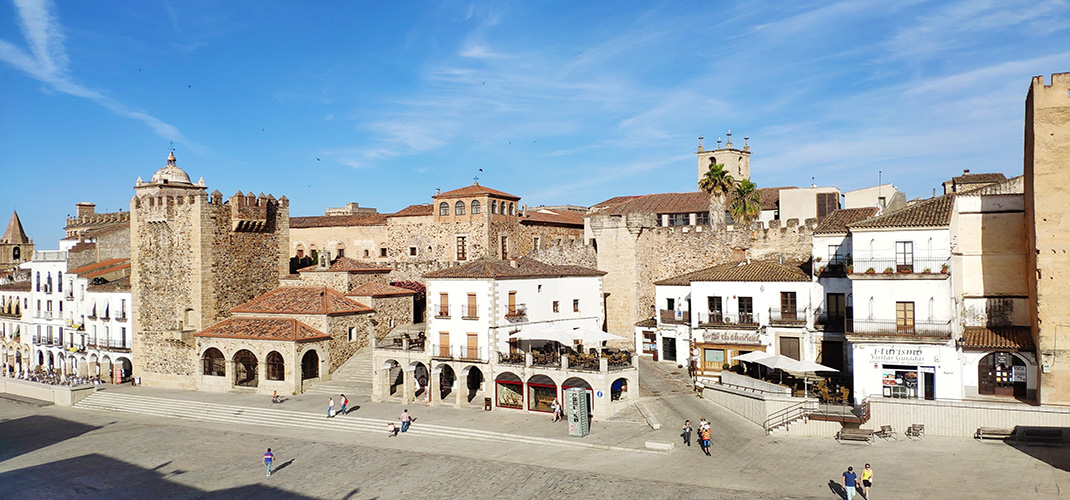
Madrid, Mérida, Córdoba, Seville, Jerez, Ronda, Málaga, Granada, Madrid
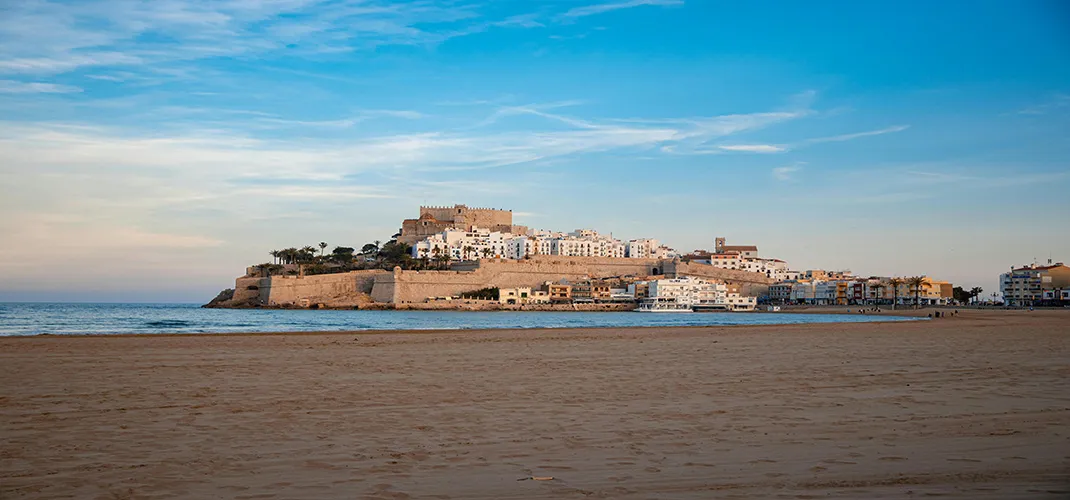
Barcelona, Peñíscola, Valencia, Granada, Seville, Córdoba, Madrid
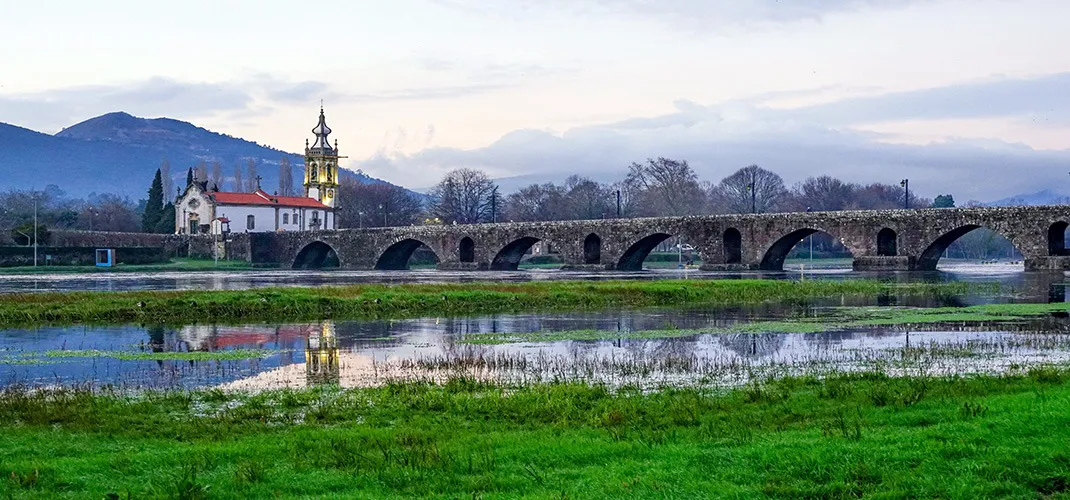
Porto, Ponte de Lima, Paredes de Coura, Tui, O Porriño, Redondela, Pontevedra, Caldas de Reis, Padrón, Santiago de Compostela
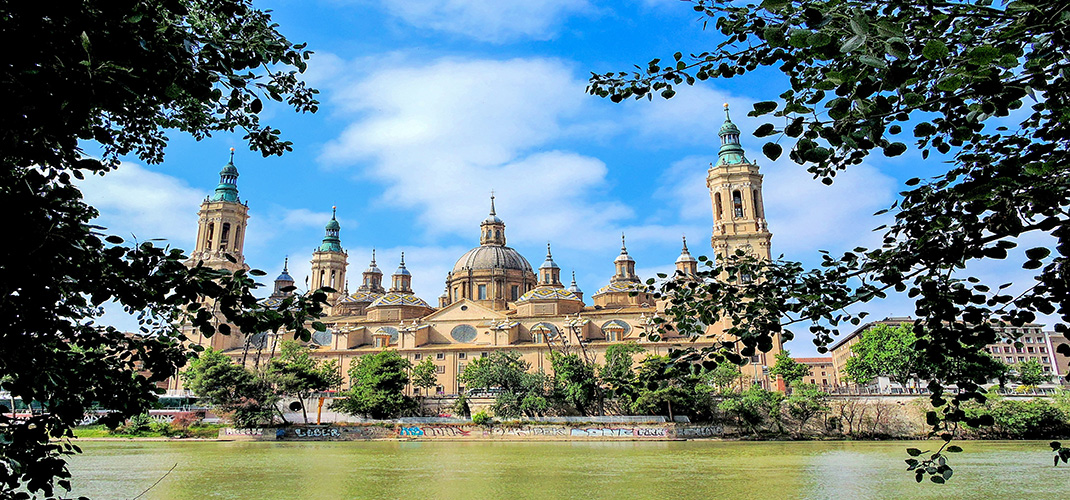
Madrid, Zaragoza, San Sebastián, Bilbao, Castro Urdiales, Santander, Santillana del Mar, Covadonga, Oviedo, Mondoñedo, Lugo, Santiago de Compostela, Salamanca, Madrid
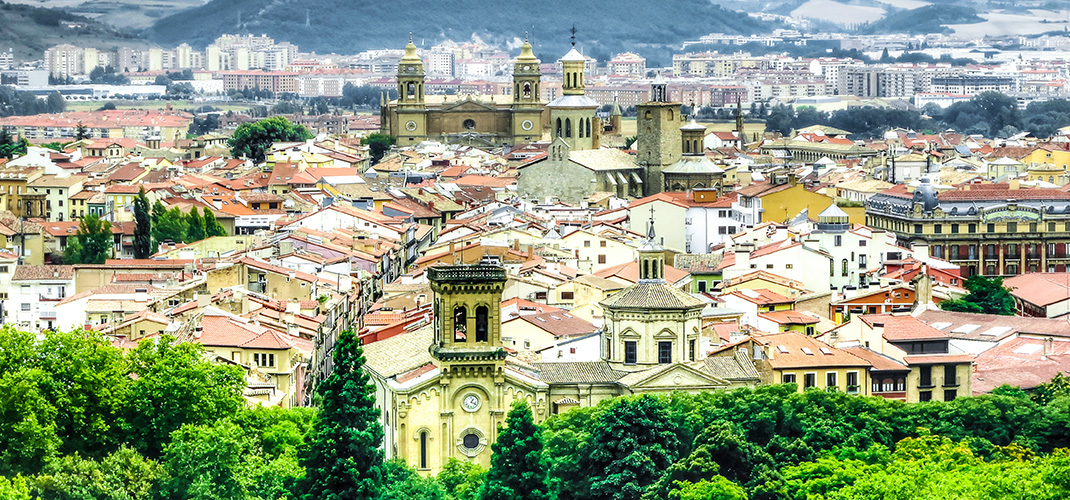
Barcelona, Zaragoza, Pamplona, Bilbao, San Sebastián, Bilbao, Castro Urdiales, Santander, Santillana del Mar, Covadonga, Oviedo, Mondoñedo, Lugo, Santiago de Compostela, Madrid
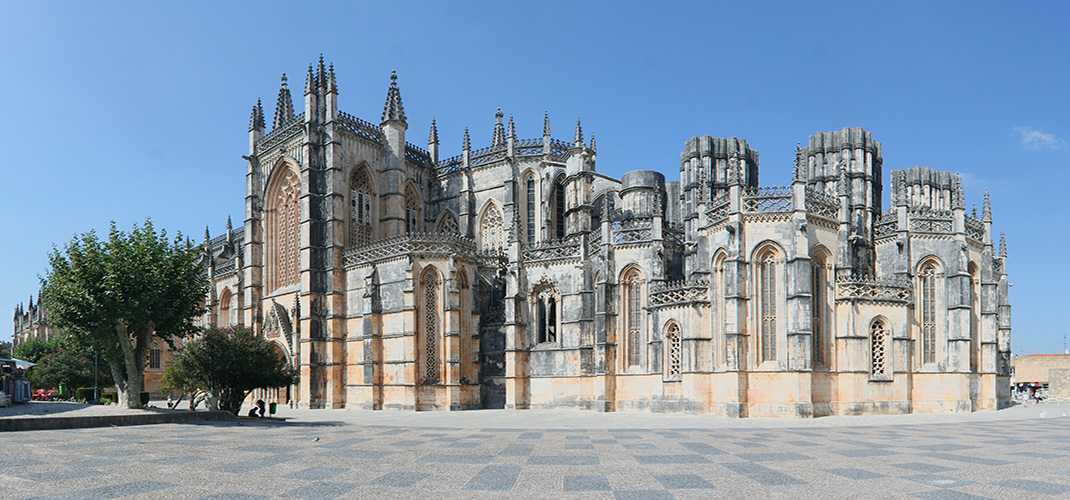
Madrid, Salamanca, Porto, Coimbra, Fátima, Batalha, Nazaré, Alcobaça, Lisbon, Merida, Córdoba, Seville, Ronda, Costa del Sol, Granada, Madrid
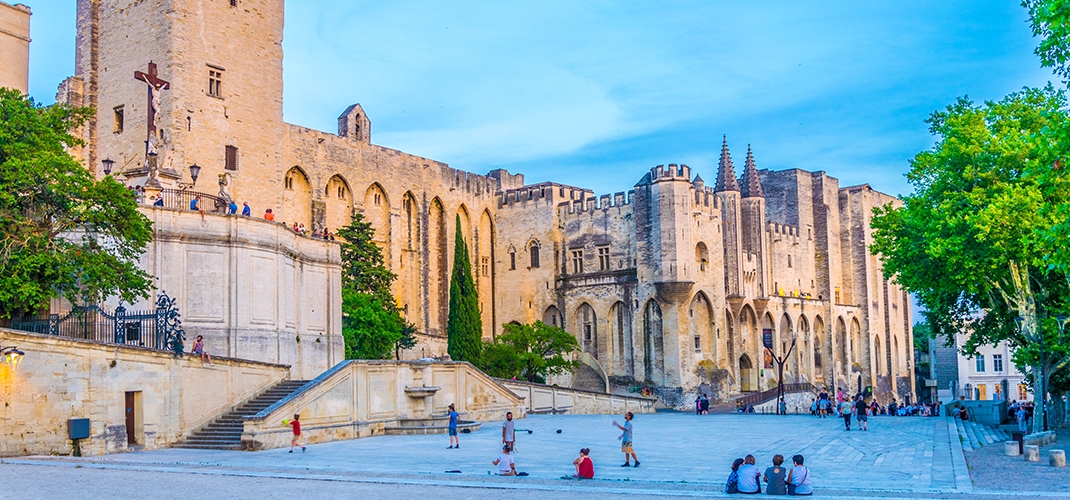
Amsterdam, Ghent, Paris, Toulouse, Andorra la Vella, Barcelona, Sète, Pont du Gard, Avignon, Monaco, Èze, Nice, Pisa, Florence, Tuscany, Rome
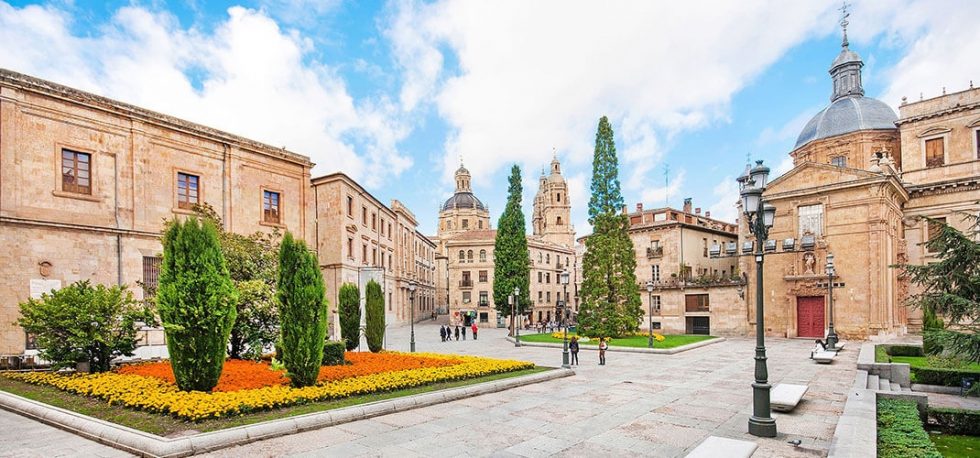
Barcelona, Madrid, Salamanca, Porto, Aveiro, Coimbra, Batalha, Nazaré, Lisbon, Mérida, Madrid
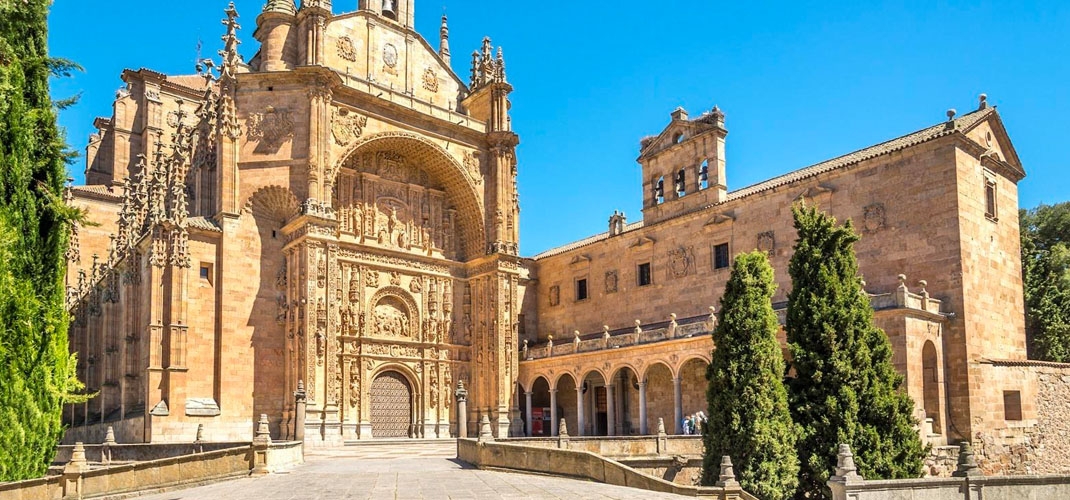
Madrid, Salamanca, Porto, Aveiro, Coimbra, Batalha, Nazaré, Lisbon, Mérida, Córdoba, Seville, Jerez, Ronda, Málaga, Granada, Madrid
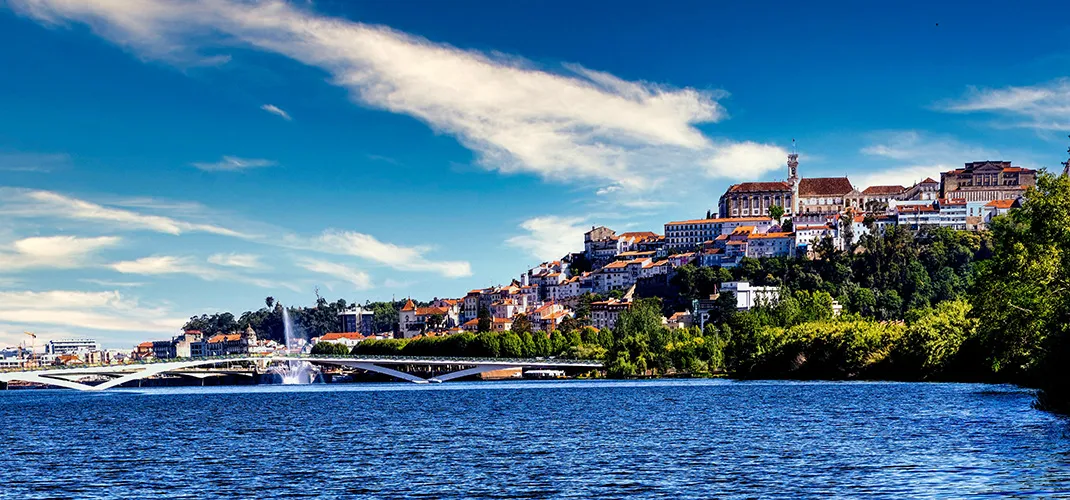
Barcelona, Peñíscola, Valencia, Córdoba, Madrid, Salamanca, Porto, Aveiro, Coimbra, Batalha, Granada, Seville, Nazaré, Lisbon
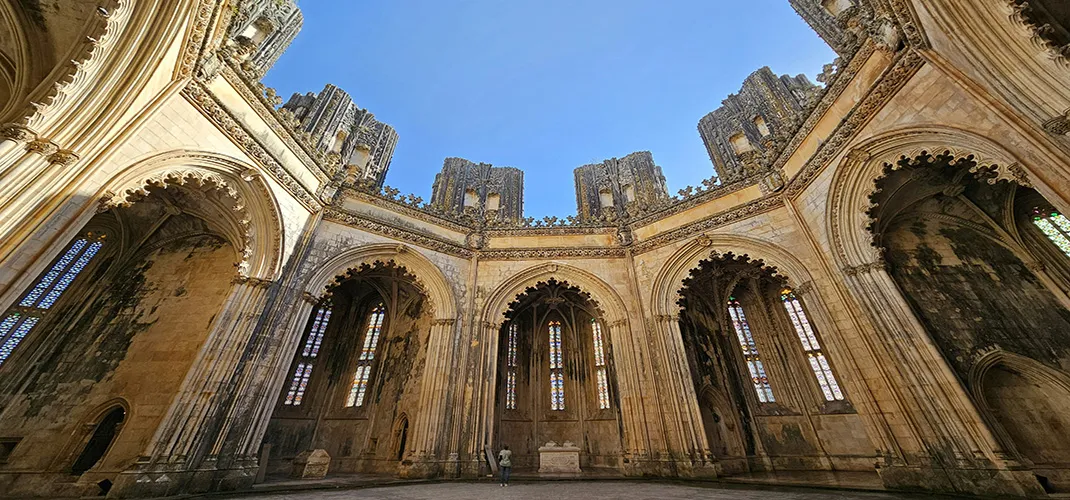
Lisbon, Montemor-o-Novo, Évora, Tomar, Coimbra, Aveiro, Porto, Batalha, Obidos, Lisbon, Mérida, Córdoba, Seville, Jerez, Ronda, Málaga, Granada, Madrid
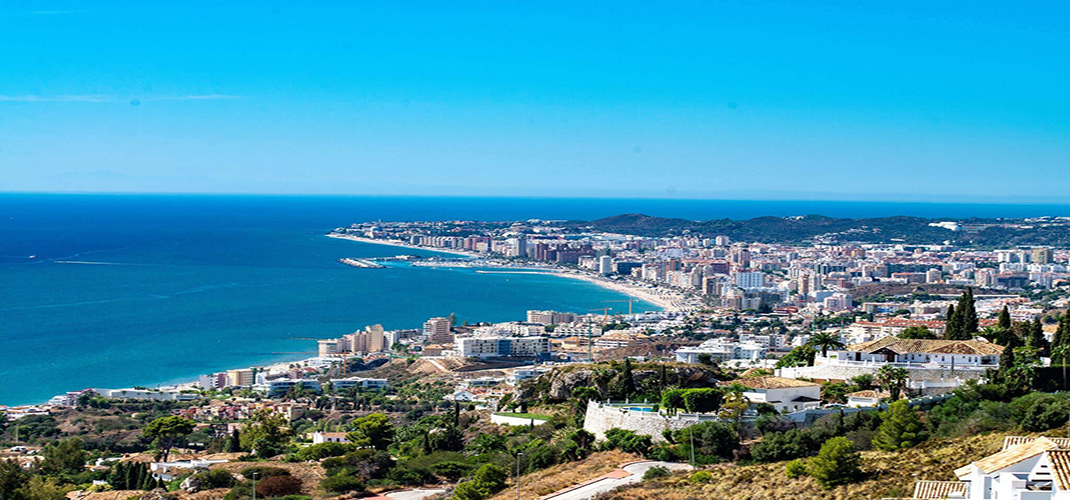
Madrid, Toledo, Madrid, Mérida, Córdoba, Seville, Ronda, Costa del Sol, Tarifa, Tangier, Meknes, Fès, Rabat, Casablanca, Marrakech, Casablanca, Tangier, Tarifa, Costa del Sol, Granada, Madrid
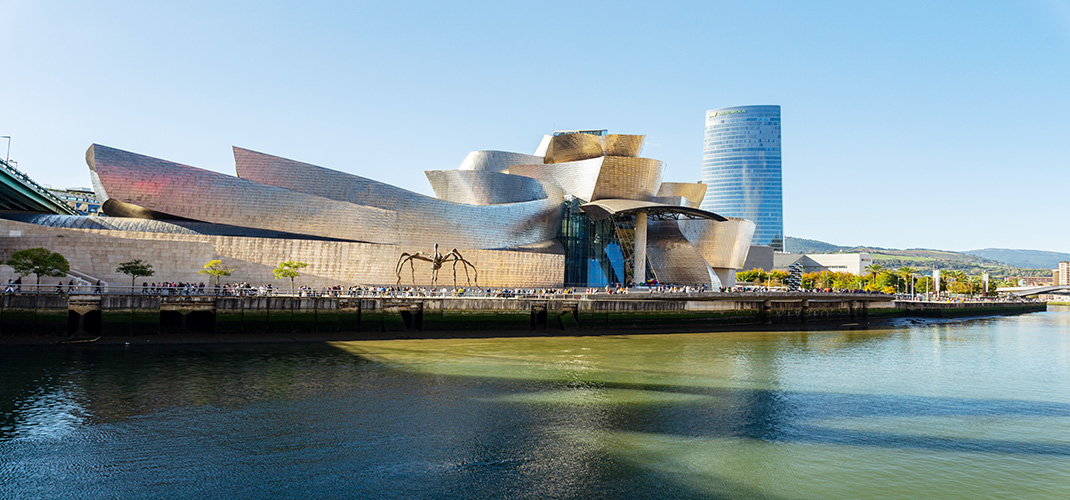
Madrid, Zaragoza, San Sebastián, Bilbao, Castro Urdiales, Santander, Santillana del Mar, Covadonga, Oviedo, Mondoñedo, Lugo, Santiago de Compostela, Rías Baixas, Porto, Coimbra, Fátima, Batalha, Nazaré, Alcobaça, Lisbon, Merida, Madrid
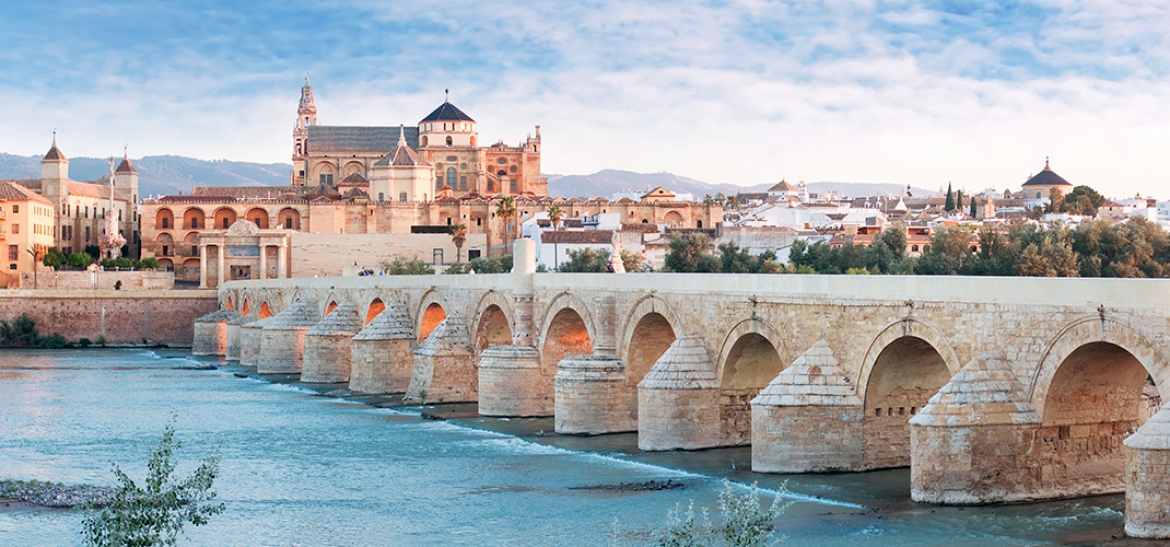
Barcelona, Madrid, Salamanca, Porto, Aveiro, Coimbra, Batalha, Nazaré, Lisbon, Mérida, Córdoba, Seville, Jerez, Ronda, Madrid
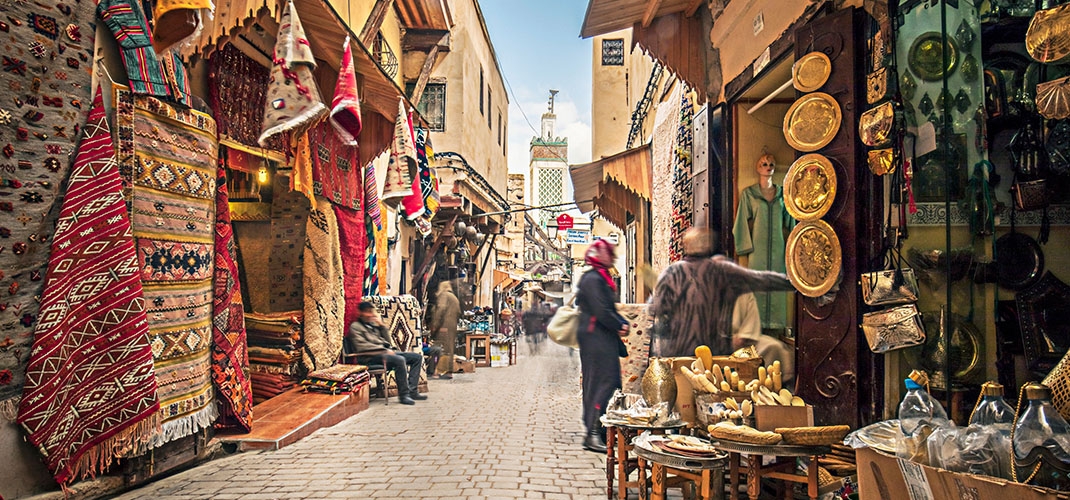
Madrid, Mérida, Córdoba, Seville, Jerez, Ronda, Gibraltar, Algeciras, Tarifa, Tétouan, Chefchaouen, Fès, Casablanca, Marrakech, Rabat, Tangier, Tarifa, Málaga, Granada, Madrid
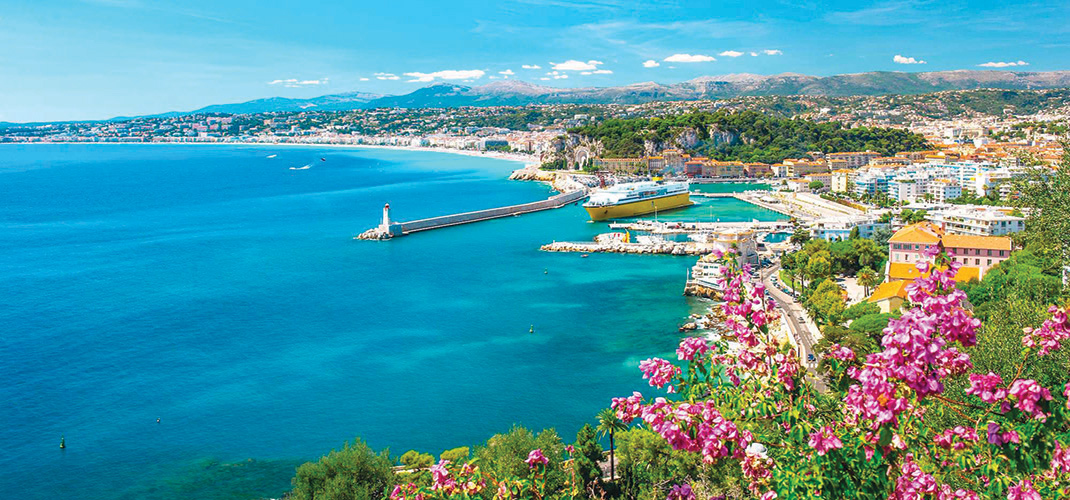
Rome, Florence, Tuscany, Pisa, Èze, Monaco, Nice, Arles, Barcelona, Pont du Gard, Avignon, Geneva, Swiss Alps, Vaduz, Munich, Rhine Valley, Luxembourg, Paris, Ghent, Amsterdam
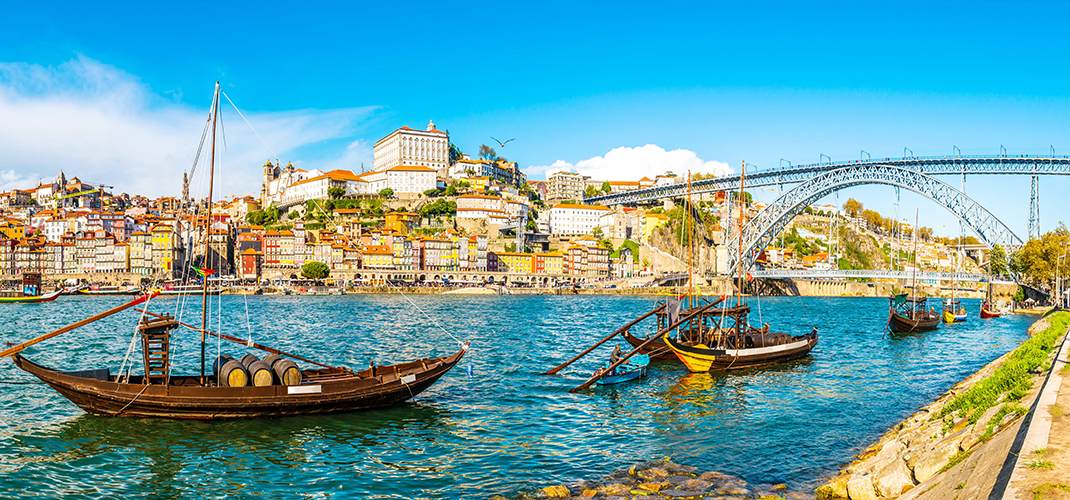
Barcelona, Zaragoza, Pamplona, Bilbao, San Sebastián, Bilbao, Castro Urdiales, Santander, Santillana del Mar, Covadonga, Oviedo, Mondoñedo, Lugo, Santiago de Compostela, Rías Baixas, Porto, Aveiro, Coimbra, Batalha, Nazaré, Lisbon, Mérida, Madrid
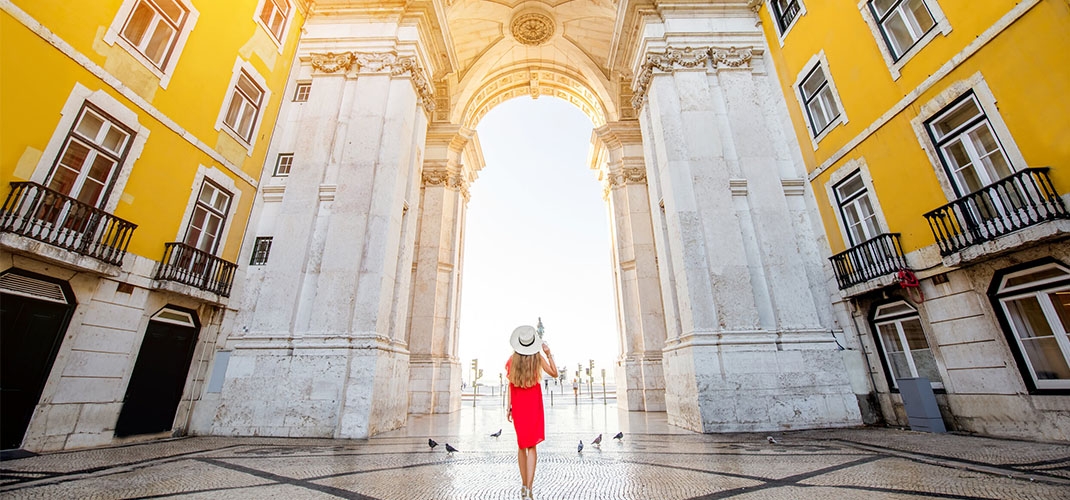
Madrid, Salamanca, Porto, Aveiro, Coimbra, Batalha, Nazaré, Lisbon, Mérida, Córdoba, Seville, Jerez, Ronda, Gibraltar, Algeciras, Tangier, Tétouan, Chefchaouen, Fès, Casablanca, Marrakech, Rabat, Tangier, Tarifa, Málaga, Granada, Madrid
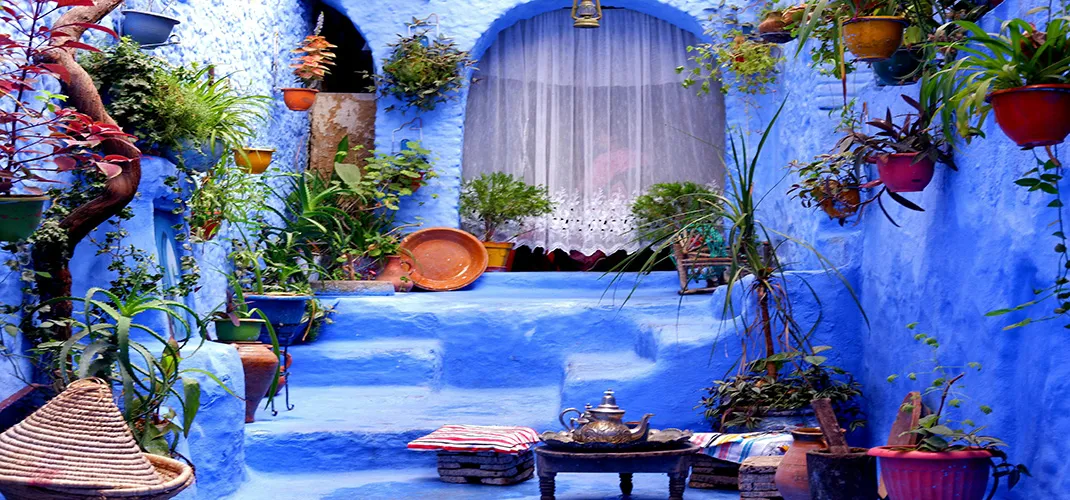
Lisbon, Montemor-o-Novo, Évora, Tomar, Coimbra, Aveiro, Porto, Batalha, Obidos, Lisbon, Mérida, Córdoba, Seville, Jerez, Ronda, Gibraltar, Algeciras, Tangier, Tétouan, Chefchaouen, Fès, Casablanca, Marrakech, Rabat, Tangier, Tarifa, Málaga, Granada, Madrid
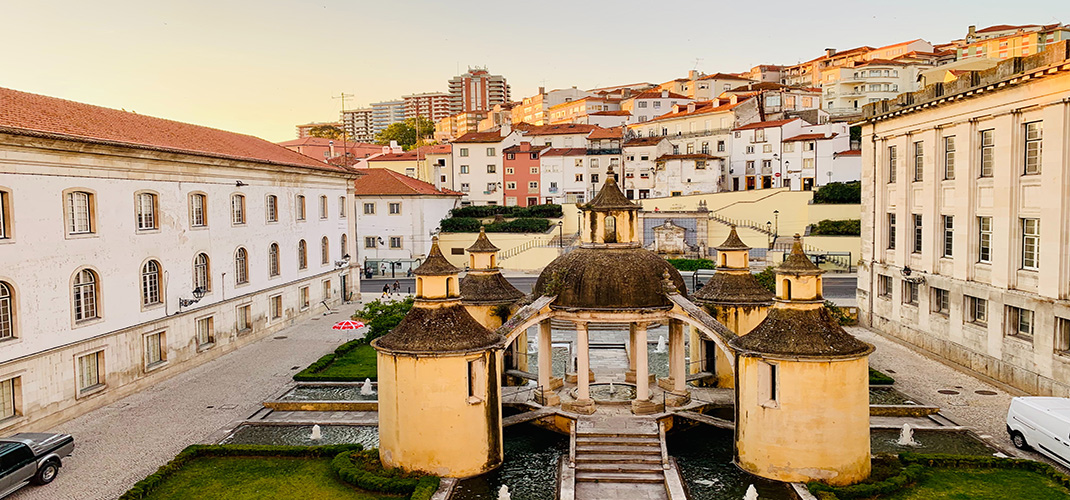
Barcelona, Madrid, Salamanca, Porto, Aveiro, Coimbra, Batalha, Nazaré, Lisbon, Mérida, Córdoba, Seville, Jerez, Ronda, Gibraltar, Algeciras, Tangier, Tétouan, Chefchaouen, Fès, Casablanca, Marrakech, Rabat, Tangier, Tarifa, Málaga, Granada, Madrid
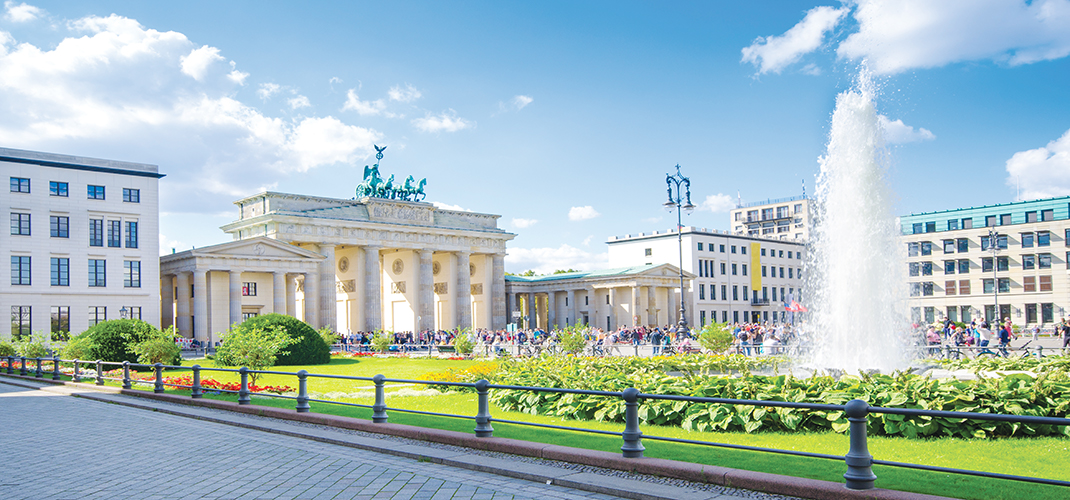
Amsterdam, Berlin, Dresden, Prague, Bratislava, Vienna, Ljubljana, Venice, Rome, Florence, Tuscany, Pisa, French Riviera, Monaco, Arles, Barcelona, Sète, Pont du Gard, Avignon, Geneva, Swiss Alps, Vaduz, Munich, Rhine Valley, Luxembourg, Paris, Ghent, Amsterdam