Europe & UK
Royal history, resilience, and remarkable cities
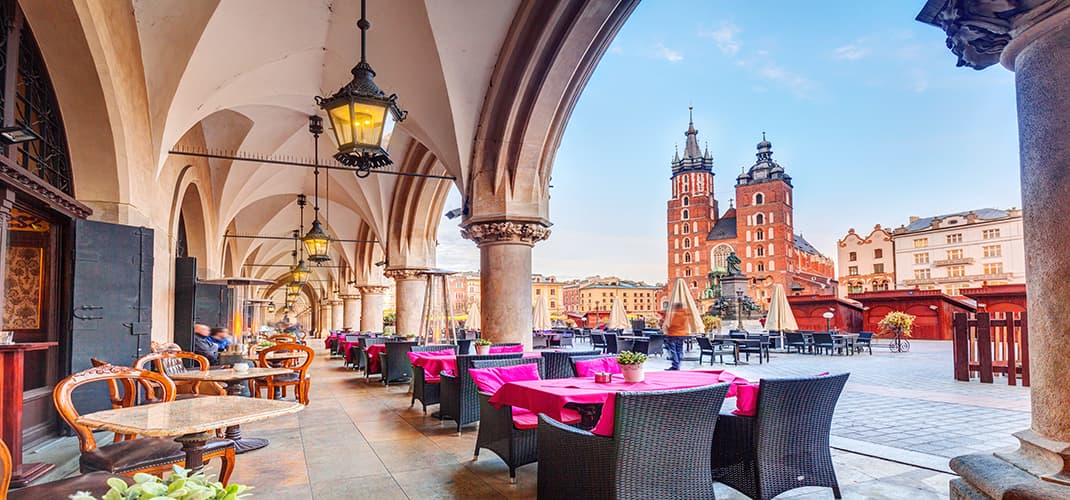
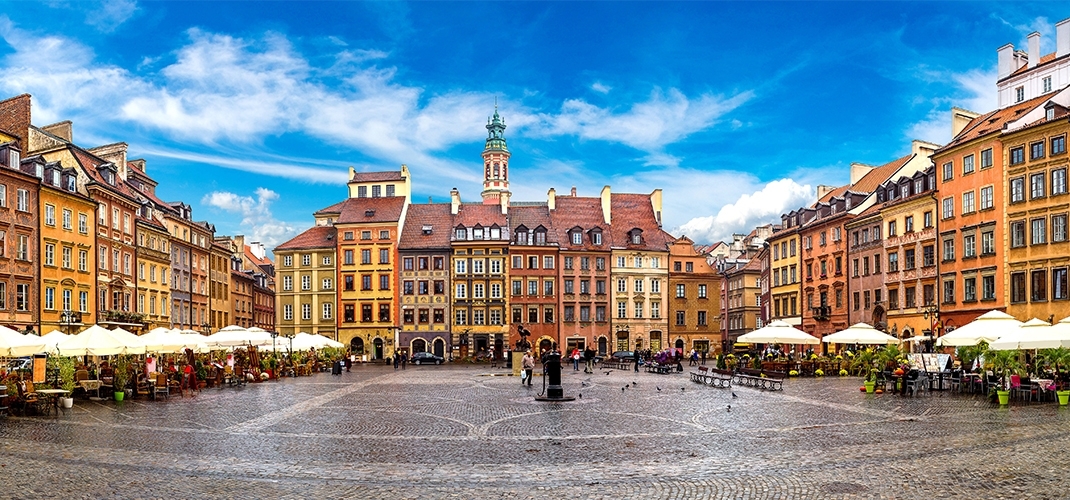
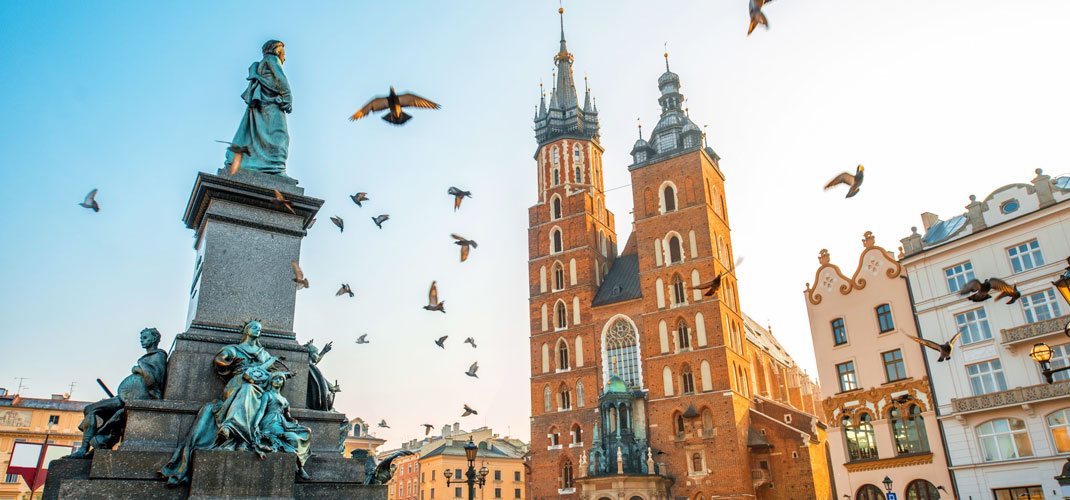
The Republic of Poland has become one of the most visited destinations in Europe, with its history, Gothic cathedrals, salt-washed Baltic beaches, mountains, rivers and lakes. Warsaw, the capital, has an energetic urban vibe, which mixes with its historical past. The picturesque UNESCO city of Kraków has stunning Gothic cathedrals, the Kazimierz Jewish Quarter, the great medieval Market Square, winding cobblestone alleyways and St. Mary’s Basilica. Just over an hour away, Auschwitz-Birkenau is perhaps the single most emotional and sobering reminder of the horrors of the Nazi regime in Europe. With exhibits that chronicle its rise to a death camp and the atrocities visited upon the minorities within, it has become not only a museum but also a memorial to the Holocaust and the destruction of the European Jews, and is something not to be missed.
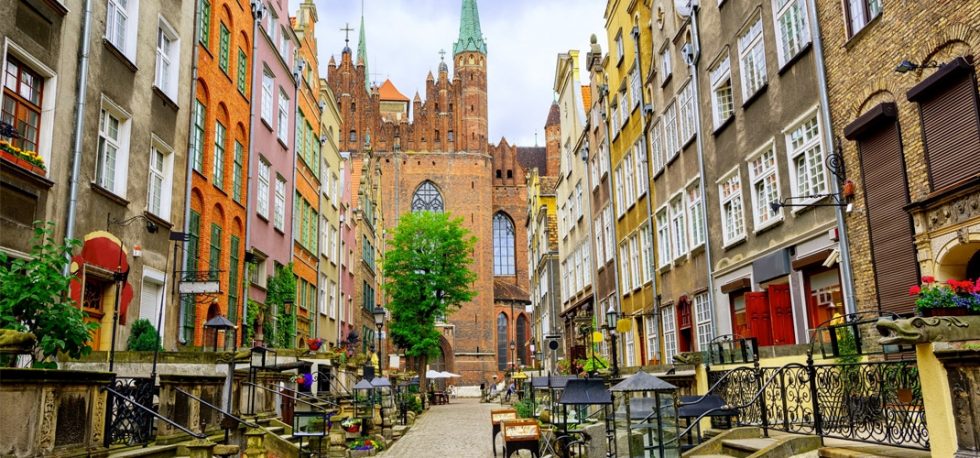
Situated on the Baltic coast, Gdańsk is now one of the biggest visitor destinations. The city has several historical sites, including the Royal Way, a famous promenade that runs from the Old City Gate to the Motława River, leading to the Old Town. It was once famous for the Polish kings who paraded along its entire length when visiting the city. Some of the other major sites along the Royal Way include the Golden Gate, the Prison Tower, the Torture House and the 17th Century Neptune’s Fountain, a bronze statue of a sea god. Ulica Mariacka is one of the most beautiful streets in Gdańsk’s Old Town, with shops and plenty of trendy cafés. In the centre of town is Długi Targ (Long Market). Reconstructed after WWII, this beautiful area is now a major tourist attraction, with long, colourful facades, shops and restaurants. It is also home to the world’s amber trade, and you can gaze into the windows of the many amber jewellery shops. The 17th Century Golden House can also be found on Długi Targ, with its opulently ornamented facade displaying 12 elaborately carved historical scenes. About an hour away from Gdańsk is the 1406 Malbork Castle, with its high walls, spiky turrets, great bulwarks and gatehouses. It was the largest brick fort in the world and was used by the Teutonic Knights and the rulers of Prussia for centuries. It has some of the most enthralling medieval relics to explore.
The vibrant university city of Poznań is located on the Warta River. The city has four large lakes within its borders and nearby are the Morasko Meteorite Reserve and the Wielkopolska National Park. The beautiful Old Town Market Square has Renaissance-style buildings and 16th Century merchant houses. The Town Hall is home to the 10th Century Historical Museum of Poznań, and the Gothic and Baroque Saints Peter and Paul Cathedral is built on Ostrów Tumski Island. Other sights to visit include the Imperial Castle, once home to Kaiser Wilhelm II and now a cultural theatre; the Ethnographic Museum, specialising in Polish folk costumes; and the Museum of Musical Instruments.
For those who are nature lovers, the town of Zakopane is nestled right next to the Tatra National Park. Zakopane is a great base for hiking throughout the area, with an abundance of trails to discover. Zakopane has its own very distinctive style of architecture known as Podhale, with rounded wooden windows and very distinctive, detailed embellishments, which can be seen throughout the city centre. One of the most beautiful areas to visit while in the Tatras is Lake Morskie Oko, or the ‘Eye of the Sea’. At 862 metres in length, it is the largest lake in the Tatras. The shimmering mountain lakes and valleys of the Tatra Mountains will not fail to take your breath away.
A visit to Częstochowa has both religious and historical significance. The city is known for the famous St. Paul’s Monastery of Jasna Góra, which houses the Black Madonna painting, a shrine to the Virgin Mary. Every year, millions of pilgrims flock here from all over the world to pay homage to the shrine. The painting is said to have miraculous powers and is one of Jasna Góra’s most precious treasures.
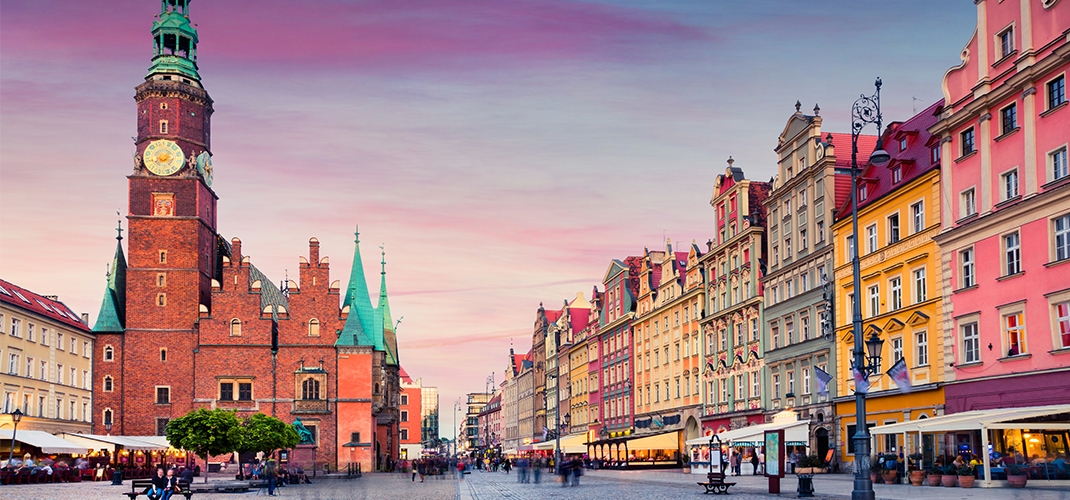
Located on the Oder River, Wrocław’s Old Town is spread over a series of islets connected by a number of arched bridges to the cobblestone streets of the Salt Market Square. Wrocław’s charm is quite literally understated, with its romantic Hansel and Gretel houses, St. Elizabeth’s Church, the 13th Century Market Square lined with elegant townhouses, the medieval Gothic Old Town Hall and large astronomical clock, and the nearby Panorama of Racławice Art Gallery. Known locally as Krasnale, the Wrocław dwarves are small bronze sculptures of fairytale figures, which can be seen dotted all around the city. Other sights to visit include the Old Town, the 14th Century Parish Church of St. Mary Magdalene, the White Stork Synagogue built in 1829, the 10th Century Ostrów Tumski, the Gothic Cathedral of St. John the Baptist and the 1977 Monument of an Anonymous Passerby. Across the river, you can visit the UNESCO World Heritage-listed Centennial Hall, with its giant dome and tall spire, or enjoy the Multimedia Fountain in Szczytnicki Park, powered by 300 water jets and 800 lights. In the evening, come and enjoy the wonderful displays of geysers, water mists and spurts, all enhanced by music.
May–September
Start Planning Today
Our European travel specialists are ready to design the perfect itinerary for you: whether it's your first time or your fifteenth.
Mon–Fri 09:00am–17:00pm AEST · No obligation · Free expert advice

Kraków, Warsaw
Kraków, Warsaw, Gdańsk

Budapest, Kraków, Warsaw
Warsaw, Częstochowa, Zakopane, Kraków, Auschwitz-Birkenau, Kraków
Warsaw, Gdańsk, Malbork, Toruń, Wrocław, Częstochowa, Kraków
Warsaw, Vilnius, Riga, Tallinn

Vienna, Budapest, Kraków, Warsaw

Munich, Nuremberg, Prague, Auschwitz-Birkenau, Kraków, Banská Bystrica, Budapest, Bratislava, Vienna, Graz, Ljubljana, Bled, Salzburg, Munich
Kraków, Warsaw, Vilnius, Riga, Tallinn
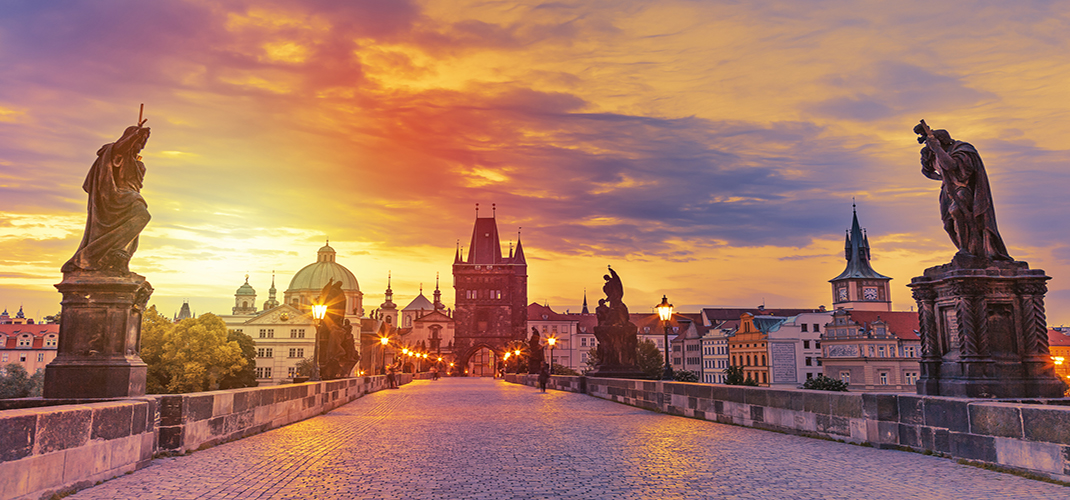
Prague, Vienna, Budapest, Kraków, Warsaw
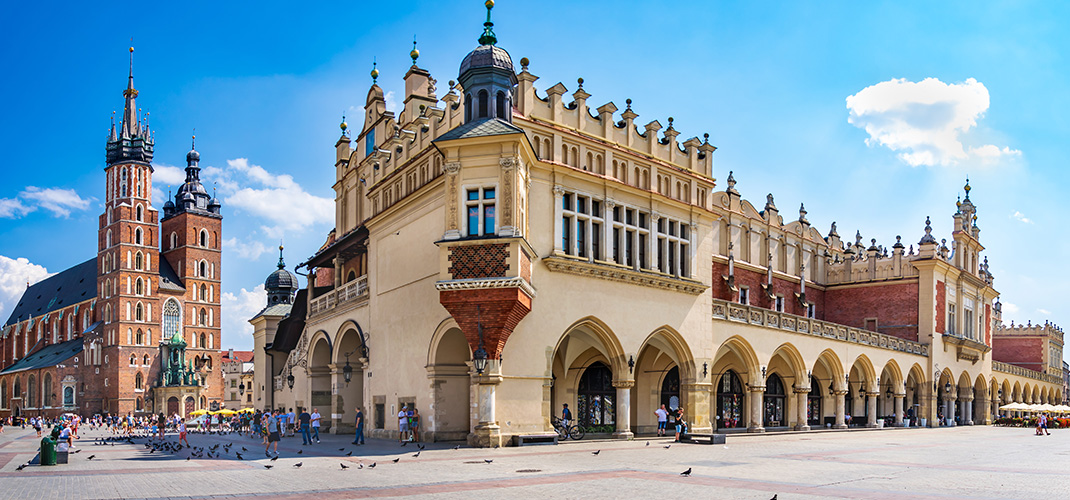
Kraków, Warsaw, Białystok, Vilnius, Riga, Tallinn
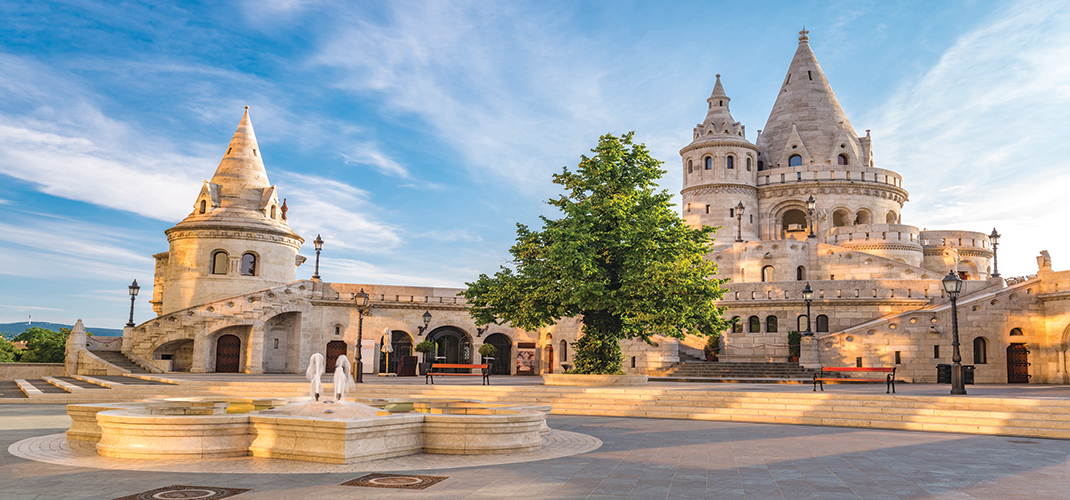
Budapest, Kraków, Warsaw, Vilnius, Riga, Tallinn

Berlin, Dresden, Prague, Vienna, Budapest, Kraków, Warsaw
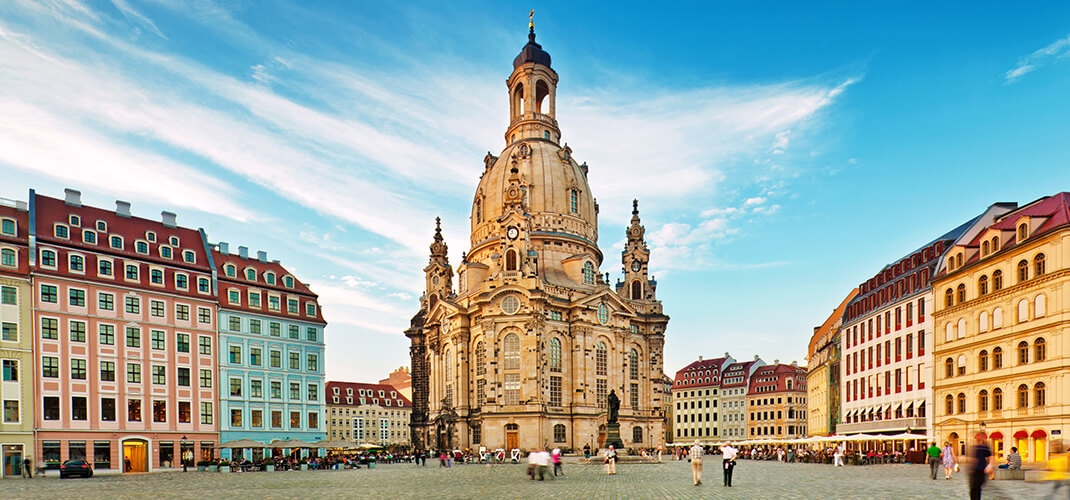
Berlin, Dresden, Prague, Vienna, Budapest, Kraków, Warsaw, Vilnius, Riga, Tallinn