City Breaks
Fire, ice, and the Northern Lights
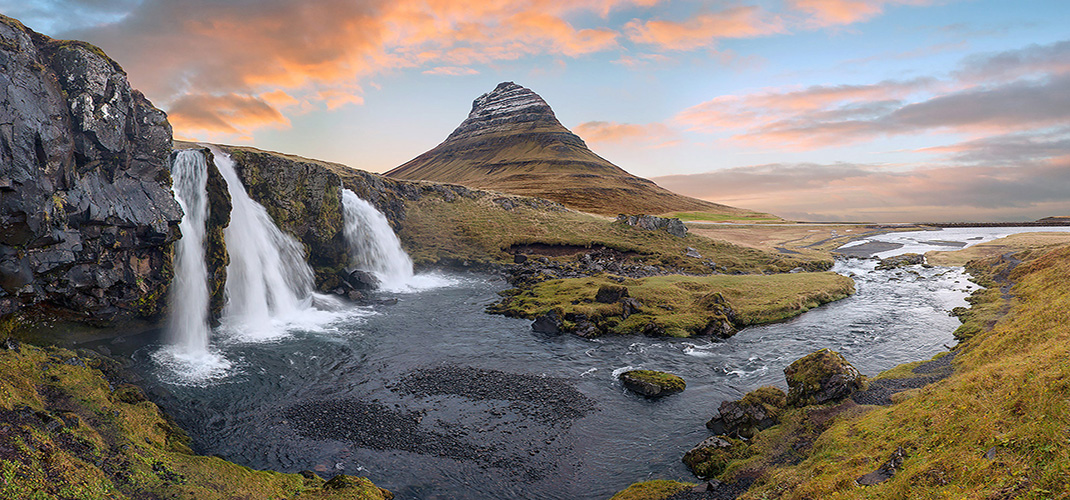
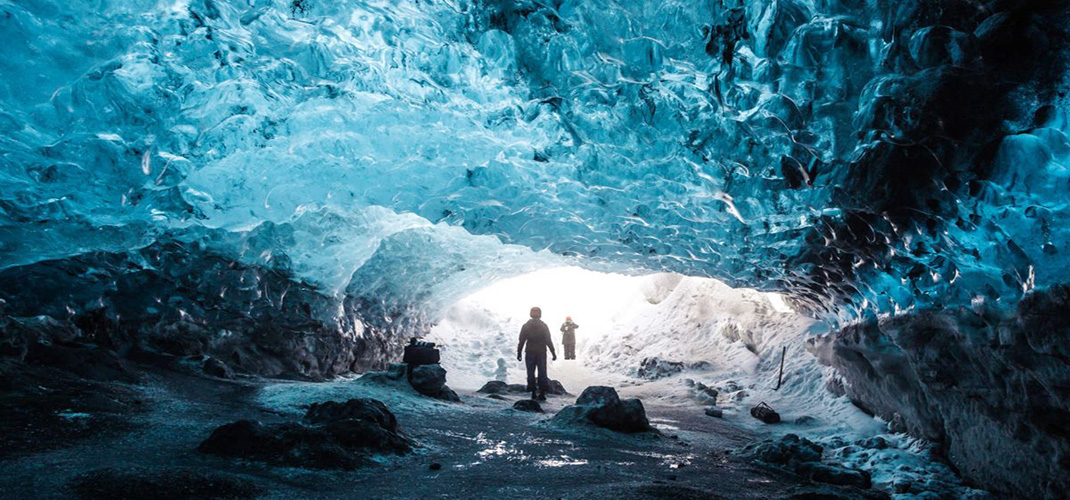
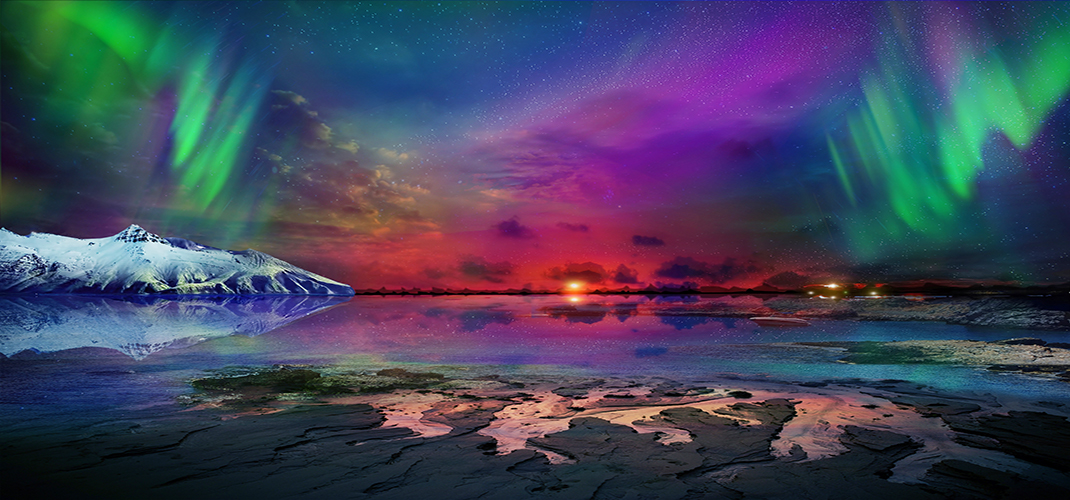
Iceland is known as the “Land of Fire and Ice” and has a beautiful yet quite extreme geological contrast. From its active volcanoes to some of the most stunning glaciers and waterfalls, Iceland has it all. The country is divided into seven different regions, including its vibrant capital, Reykjavík. It has weather extremes, from long summer days with 24-hour sunshine to long, dark winters when, on a clear night, you can hopefully catch a glimpse of the Northern Lights (Aurora Borealis). The Aurora Borealis actually takes its name from Aurora, the Roman goddess of dawn, and Boreas, the personification of the north wind in Greek mythology. The best time to see this phenomenal light show is between September and April.
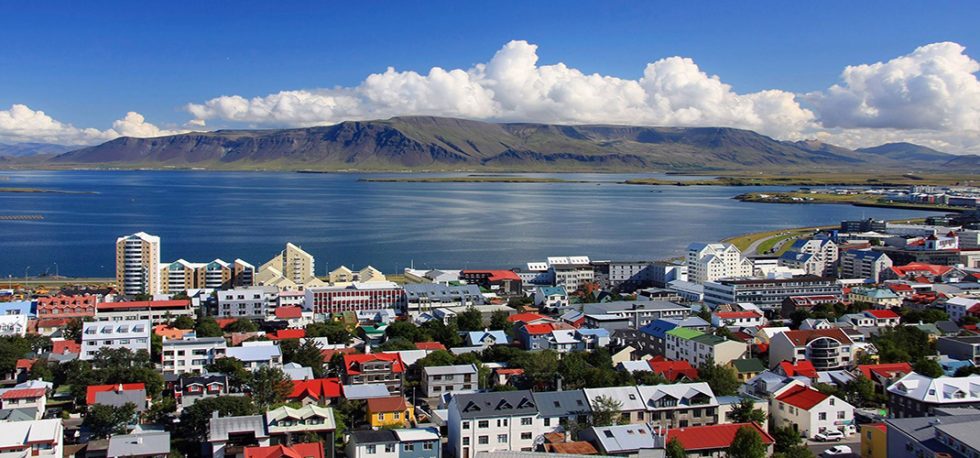
Reykjavík is a capital known for its natural beauty and culture. The city is the main starting point for touring and cruising and has an amazing café culture by day and restaurant culture by night. There are museums, galleries and many monuments to explore while in the city.
Food is another particular joy when visiting Iceland. It has an abundance of fishing grounds, and fresh fish is the staple of the country. Icelandic cuisine is an emerging gastronomic delight full of creative new dishes with a freshness not found anywhere else.
On arrival at Keflavík International Airport, in the Reykjanes Peninsula region, you will first encounter the moon-like landscape and natural delights of the country. The region is a geothermal natural wonder filled with lava fields topped with greenish moss. You will also find the stunning Blue Lagoon just a few minutes away.
The second-largest town, Akureyri, is found in the north of Iceland. It is located on Eyjafjörður, one of the longest fjords in the country. Akureyri is a charming town of 9th Century wooden houses, full of charm and colour. The north is also home to one of the world’s best whale-watching experiences, and it is where you will find the Húsavík Whale Museum and the Seal Centre in Hvammstangi, as well as the impressive Ásbyrgi Canyon and the Dettifoss Waterfall, the most powerful in Europe. The nearby Lake Mývatn is surrounded by wetlands and has some impressive waterbirds and rock formations. It also offers a tranquil geothermal bathing experience at the Mývatn Nature Baths.
East Iceland has a lot to see and explore. It has the biggest rhyolite formations accessible from any inhabited area, around Borgarfjörður Eystri. There are also imposing magma chambers filled with colourful mineral deposits that can be visited along the eastern coastline. The coastline is also dotted with many picturesque fishing villages like Seyðisfjörður with its 19th Century setting.
The west of Iceland is home to majestic waterfalls, fjords, glaciers, sleeping volcanoes and craters, all complementing each other. Both the Akrafjall and Glymur waterfalls are less than an hour from Reykjavík. Iceland’s only national park is also situated in the west: Snæfellsjökull National Park, with its mystical volcano, Snæfellsjökull Glacier, the setting for Jules Verne’s 1864 novel “A Journey to the Centre of the Earth”. This has become a very popular area for visitors.
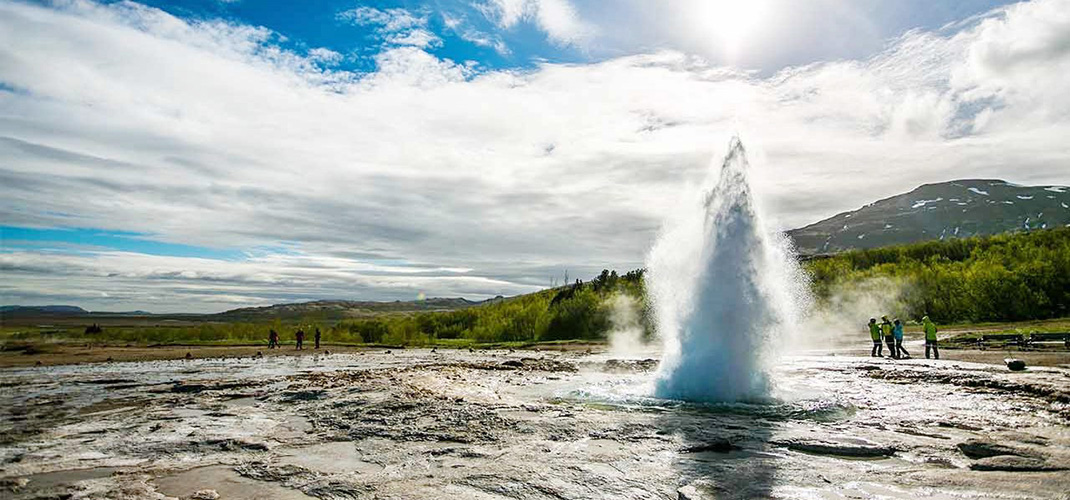
South Iceland is home to some of the country’s most visited sights, brimming with natural wonders like spectacular waterfalls and glaciers. The Golden Circle route connects Þingvellir, Gullfoss (a multi-tiered waterfall) and Geysir. Following the coastline, you will come across the Skógafoss Waterfall and the Jökulsárlón Glacial Lagoon, as well as the Vatnajökull Glacier. There are also some spectacular black sand beaches which people are raving about.
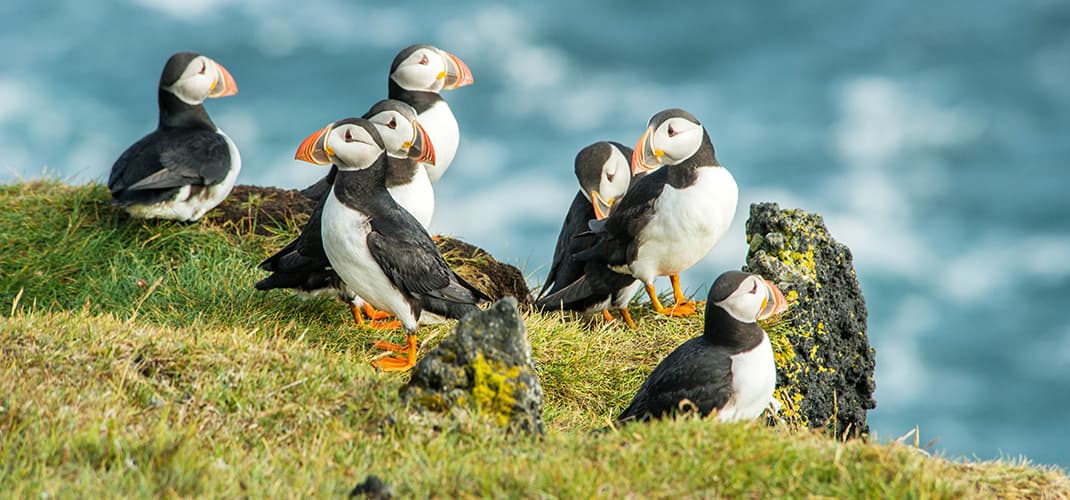
The Westfjords are possibly one of Iceland’s best-kept secrets, with their unspoilt wilderness and beaches, including Rauðasandur, or Red Beach, which changes colour. Rauðasandur is situated on Breiðafjörður Bay, and they say on a clear day you can see the Snæfellsjökull Glacier across the bay. Hornstrandir is an uninhabited peninsula and nature reserve that is a haven for Arctic foxes as well as a variety of birdlife. Iceland is often referred to as a birdwatchers’ paradise, where you can see Arctic terns, eiders, waders and passerine birds, as well as a variety of seabirds such as the guillemot, razorbill, Atlantic puffin and fulmar.
June–August (midnight sun), September–March (Northern Lights)
Speak to one of our specialists to find the perfect Iceland city break for you.
Get a QuoteStart Planning Today
Our European travel specialists are ready to design the perfect itinerary for you: whether it's your first time or your fifteenth.
Mon–Fri 09:00am–17:00pm AEST · No obligation · Free expert advice
Reykjavik